carpentry
Specialized tanning production focused on processing leather from deer or roe deer game, goats, lambs, and calves into suede. It was a fine, thin leather of white or light cream color. Pouches, gloves, and garment parts were sewn from it. Mentions of suede makers (irchári) in Bratislava date from 1563. In the 17th and 18th centuries, the main centers of the craft were mining towns, where in 1609 there were 8 suede makers. In 1770, there were 6 in Kremnica, 4 each in Bratislava and Banská Štiavnica, 5 in Košice, and 2 each in Rimavská Sobota and Bardejov. Despite changes in fashion and industrial leather production, artisanal suede making persisted into the first half of the 20th century.
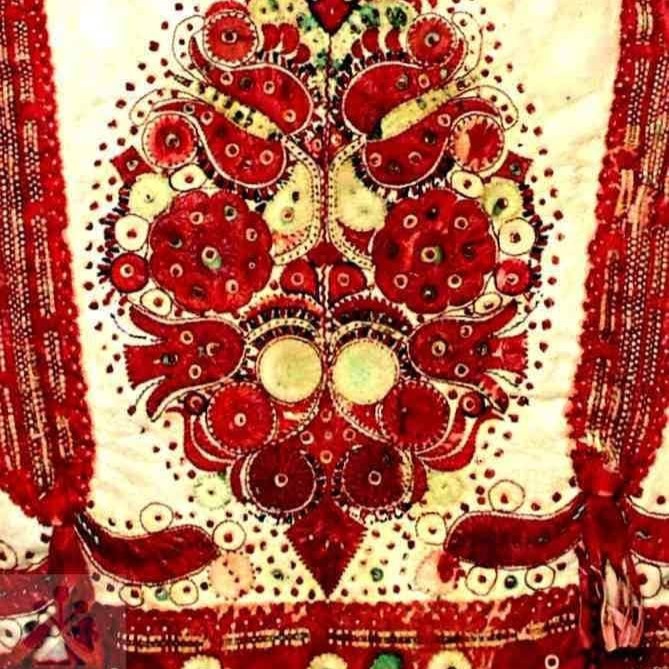
In villages, furriers produced suede themselves, using it for sewing and decorating fur coats. For suede production, they mostly used lower-quality skins, as they could also use smaller pieces. White suede was used for decorating fur coats and their trimming. Suede was dyed red, green, yellow, brown, blue, gray, and black. From suede, strips and belts with wavy or serrated edges, and plant motifs were cut out or punched with stamps. Tassels, cords, and buttons were made from it.
Show more