Gallery
About the technology
| Technologies / Tools / Machines | industrial technology |
|---|---|
| Text source | https://fpt.tnuni.sk/fileadmin/Dokumenty/OPD/2015/skripta2.pdf |
| Photo source |
| Organization name | Detail |
|---|


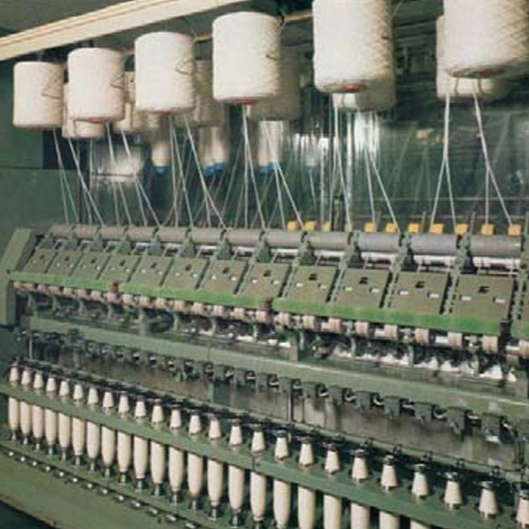
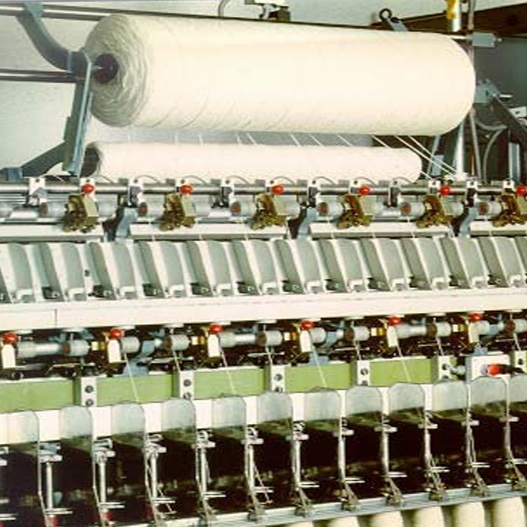
| Technologies / Tools / Machines | industrial technology |
|---|---|
| Text source | https://fpt.tnuni.sk/fileadmin/Dokumenty/OPD/2015/skripta2.pdf |
| Photo source |
| Organization name | Detail |
|---|
.jpg)
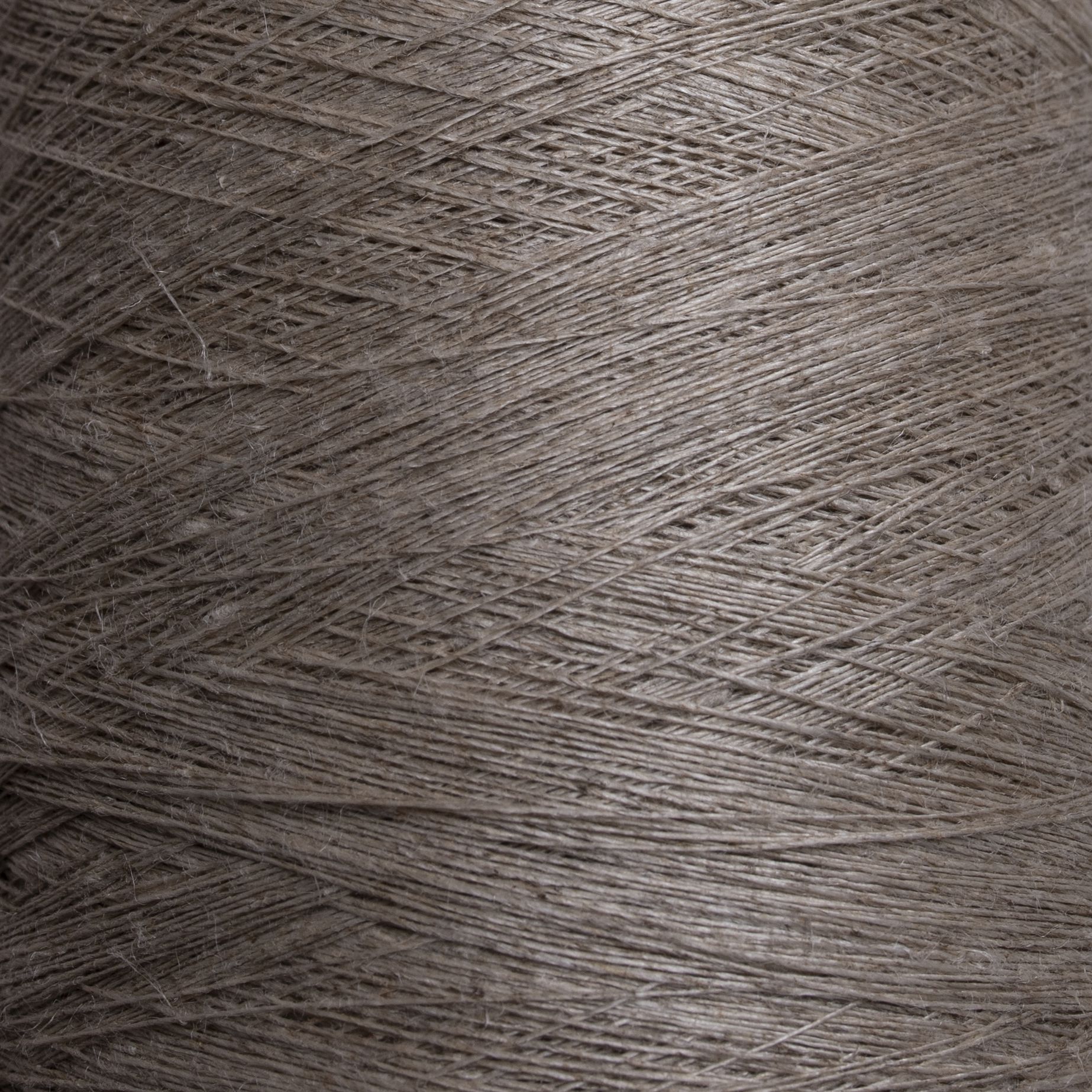
It is made from long bast fibres of the stem of industrial hemp. It is one of the oldest and most sustainable textile fibres. It is breathable,...

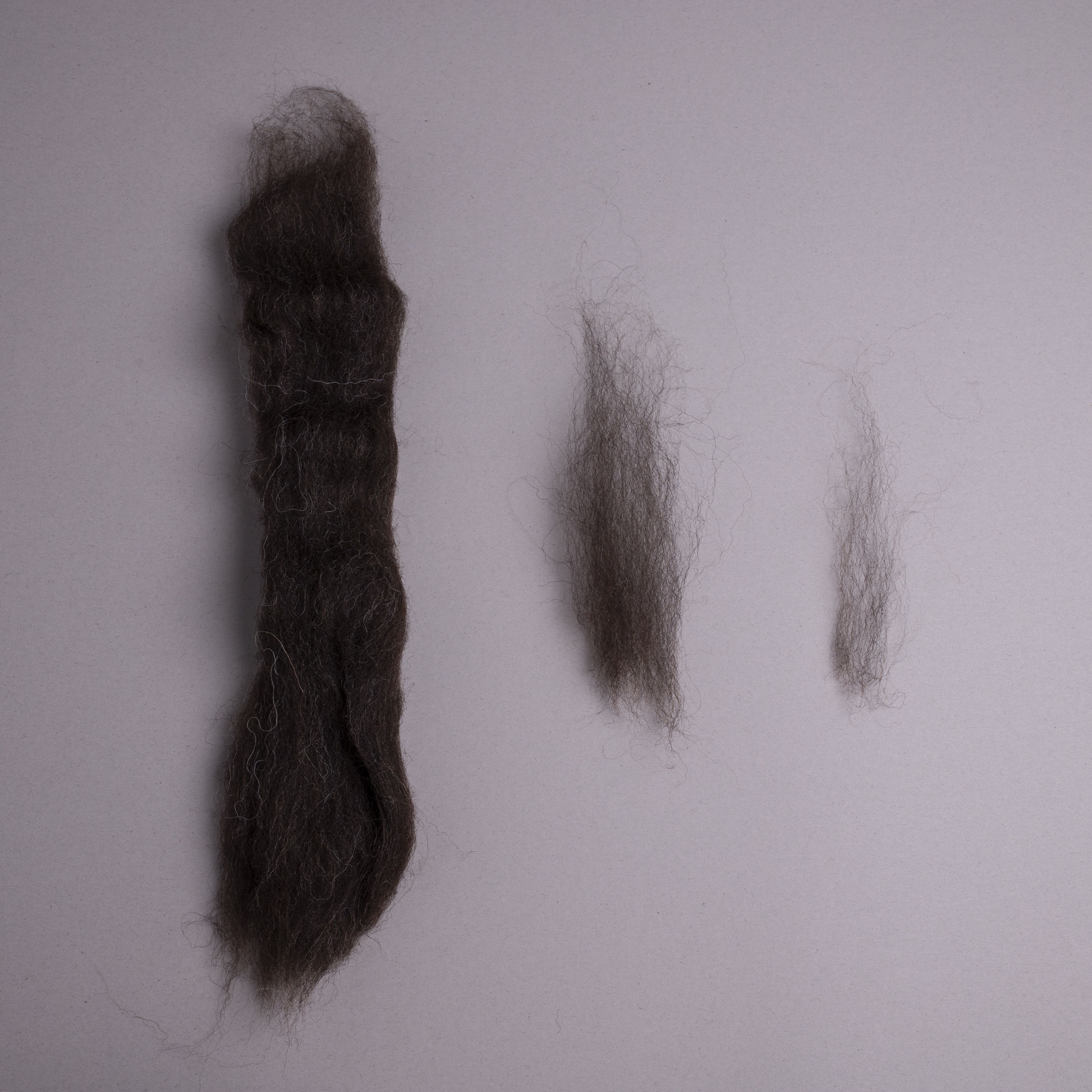
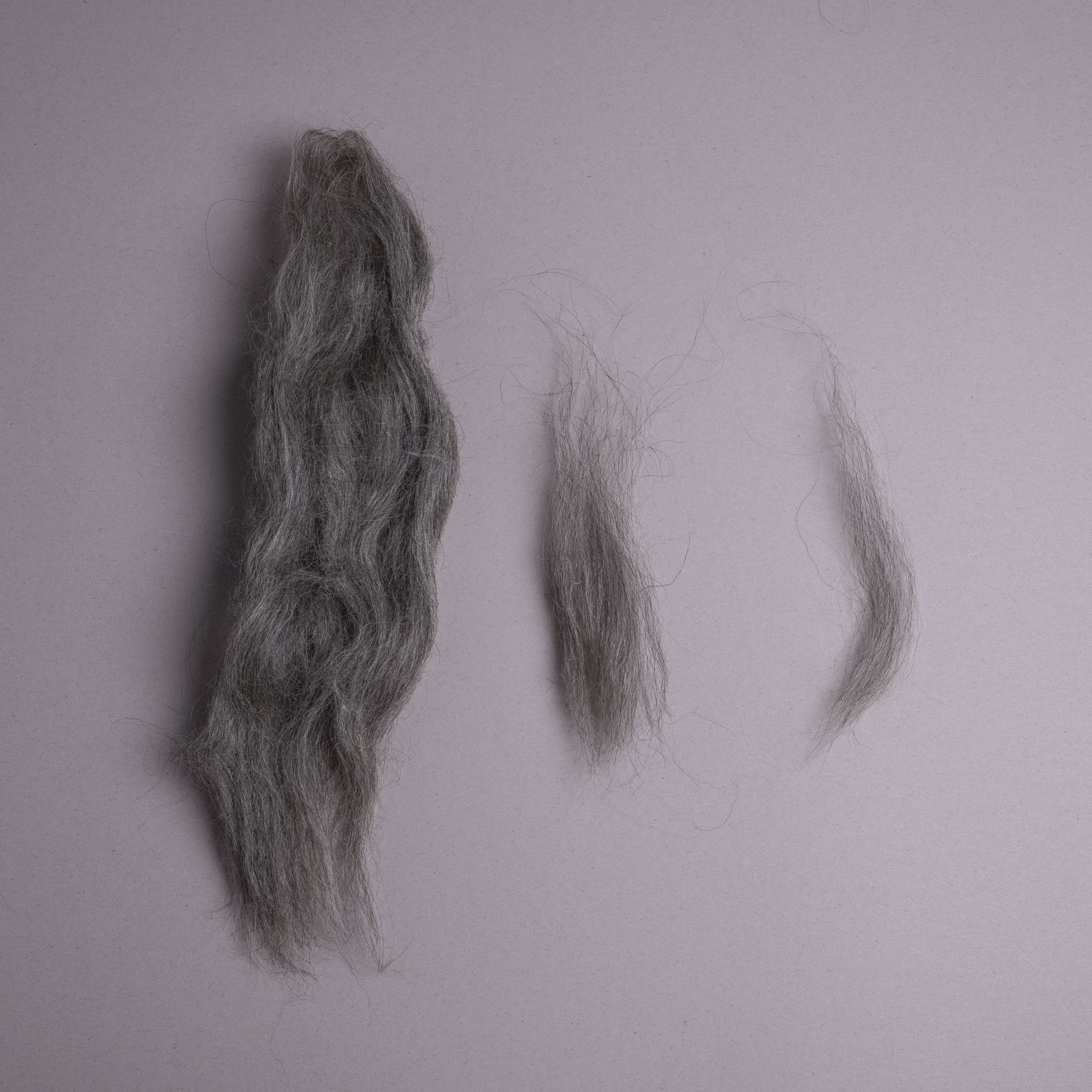
Horsehair is strong, flexible, relatively coarse, and is used mainly for upholstery, mattresses, brush making, bow hair for string instruments, and...
.jpg)
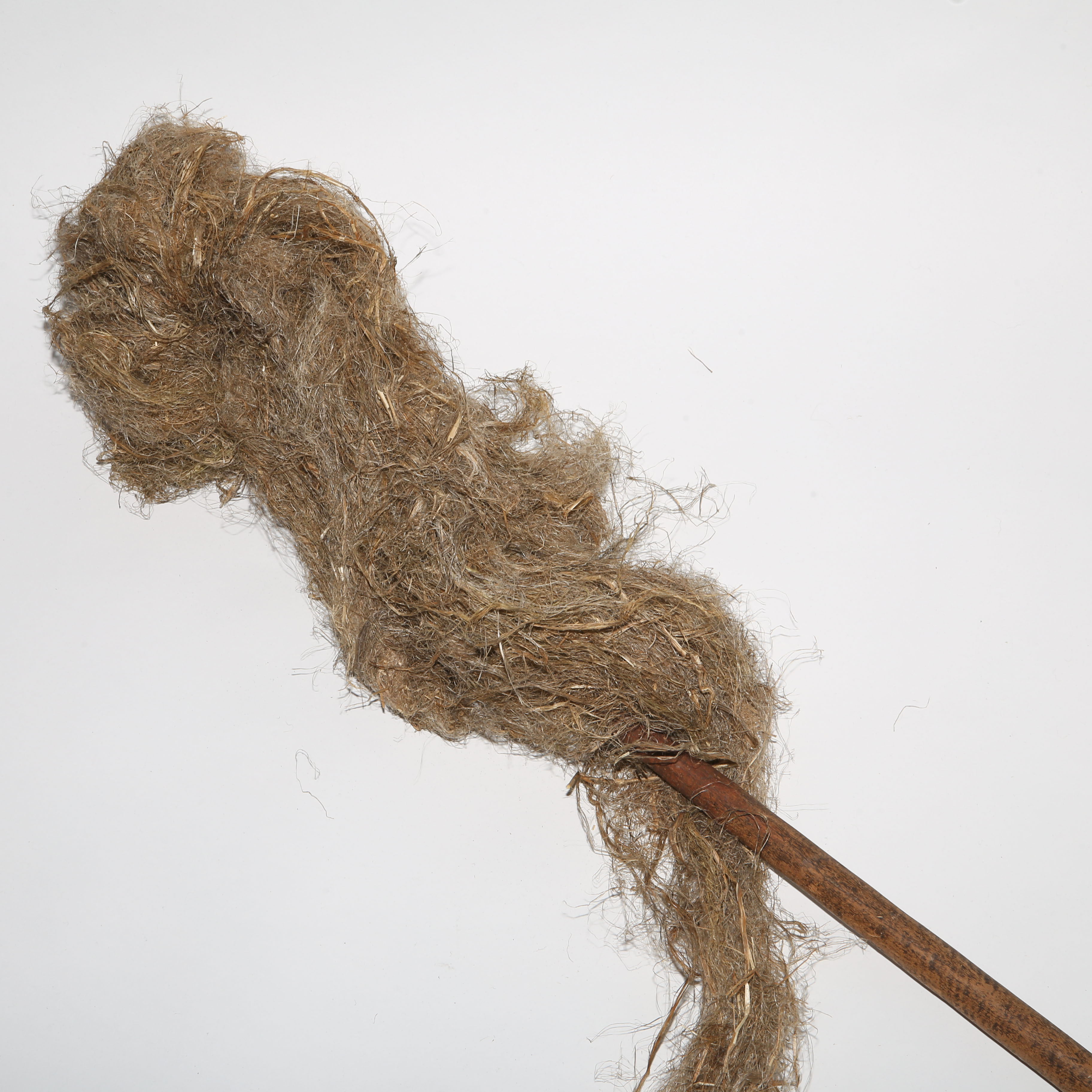
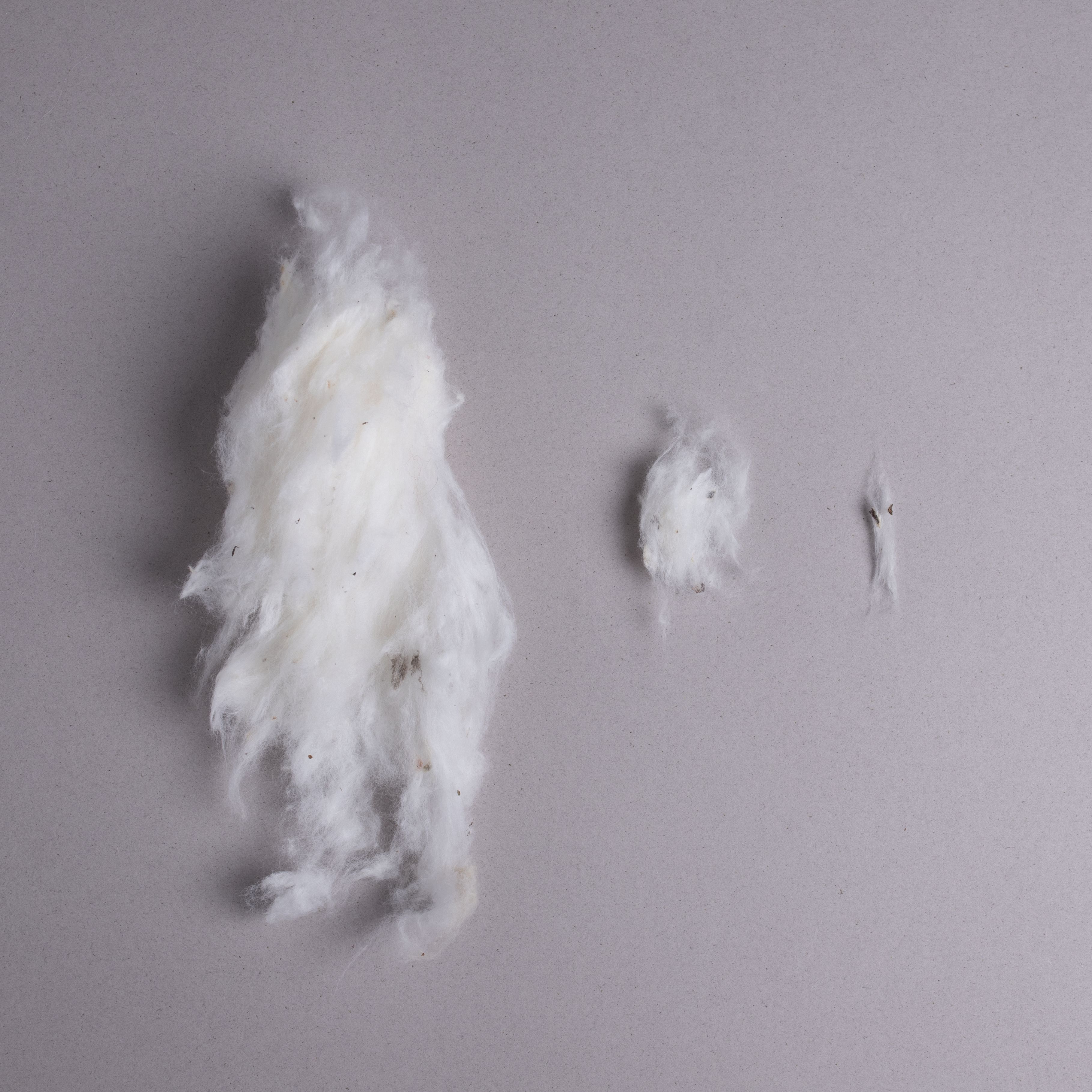
Hemp roving is a mass of disordered hemp fibres containing pieces of shives, produced during the breaking process in a decortication line.
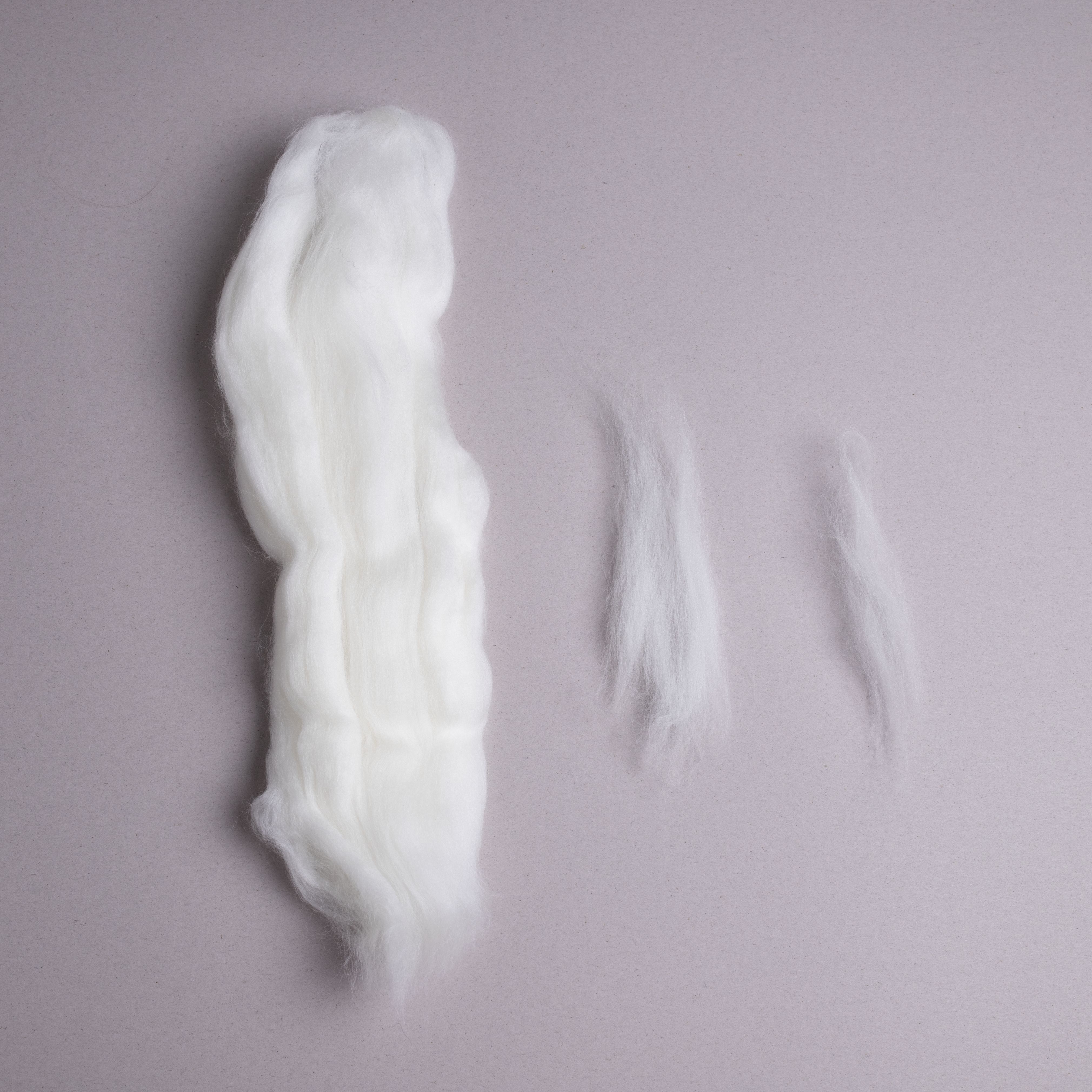
Merino wool comes from sheep of the Merino breed, which originates in Spain. The first Merino sheep likely arrived in Spain during the Middle Ages,...
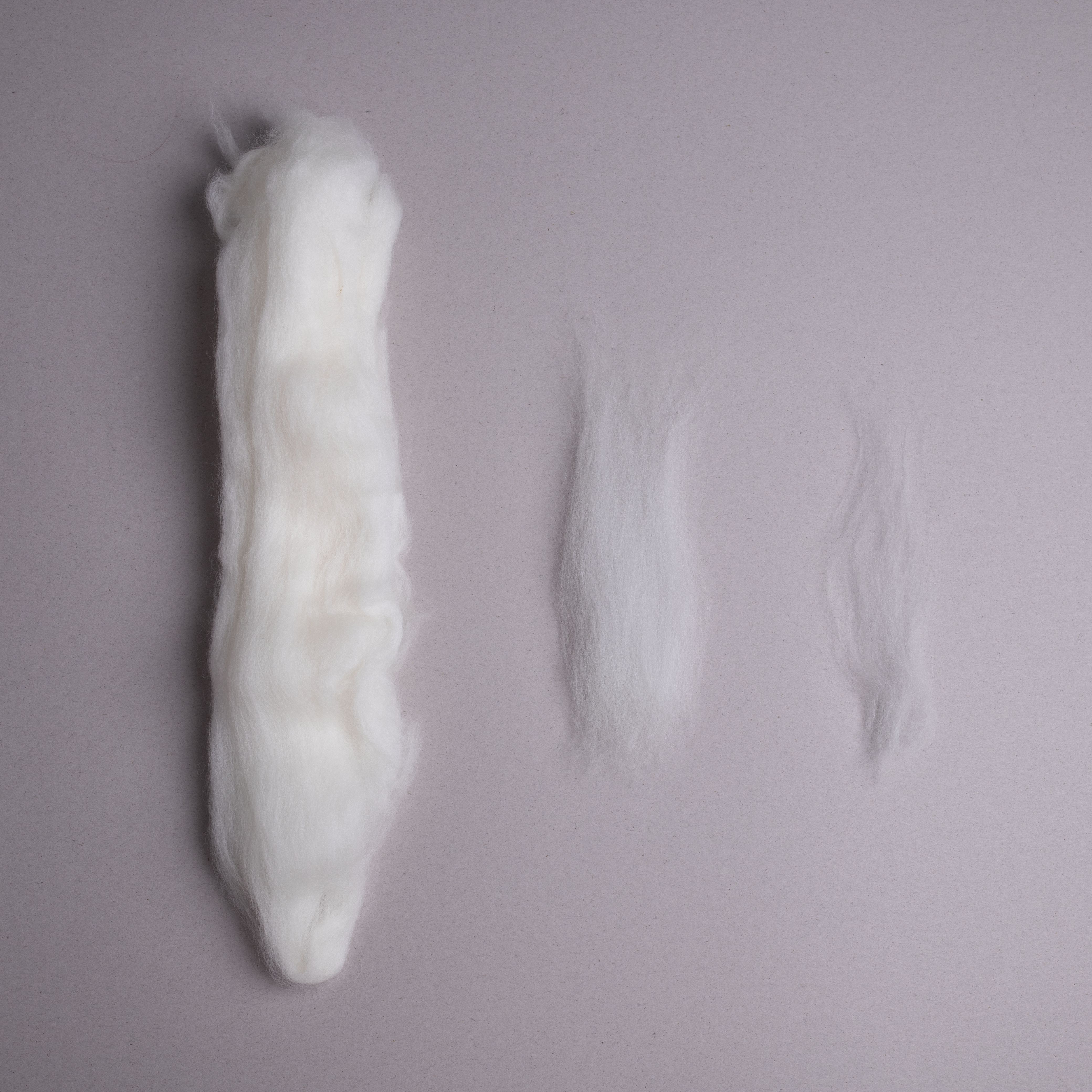
Merino wool comes from sheep of the Merino breed, which originates from Spain. In the 18th and 19th centuries, Merino sheep began to spread to other...
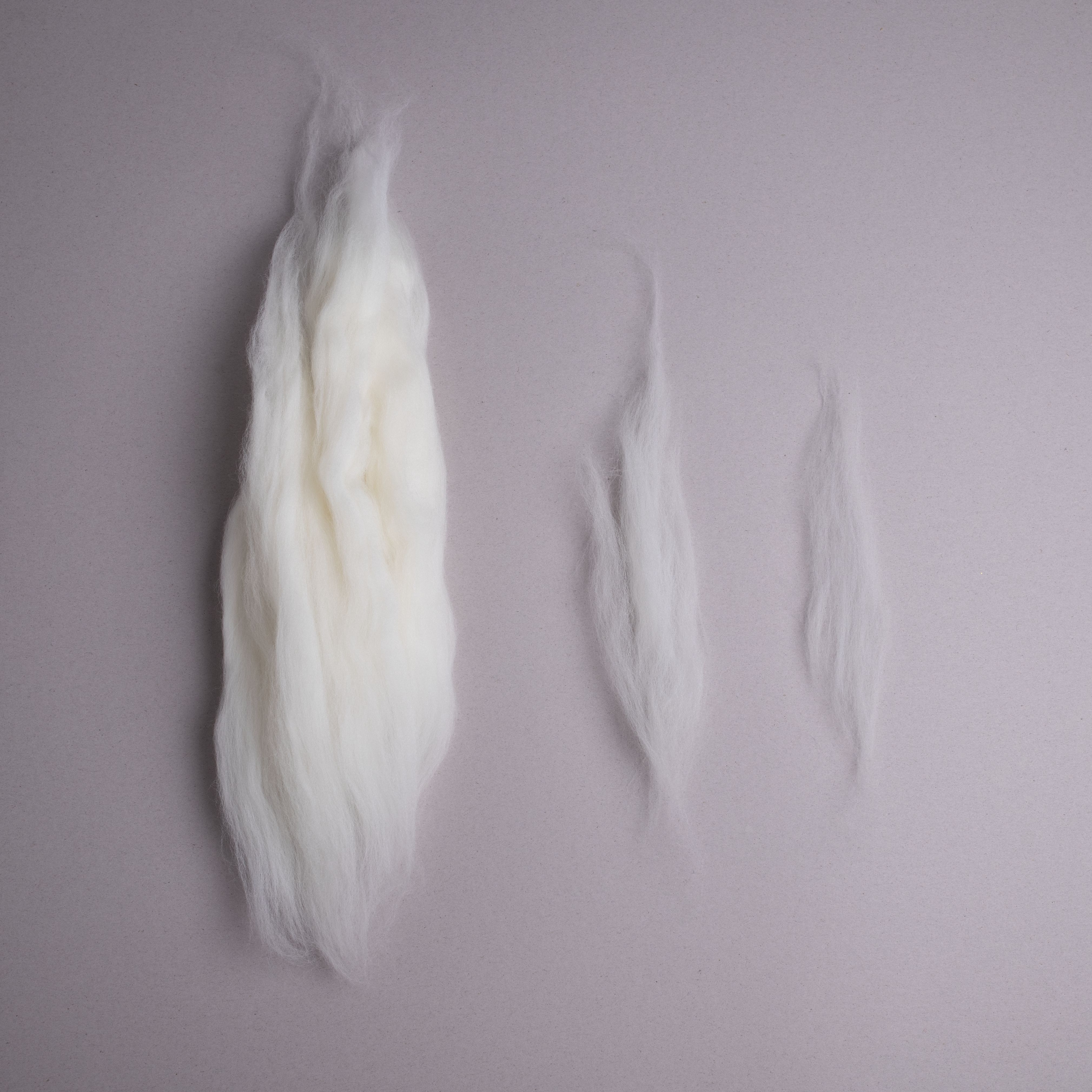
Merino wool comes from sheep of the Merino breed, which originates from Spain. In the 18th and 19th centuries, Merino sheep began to spread to other...
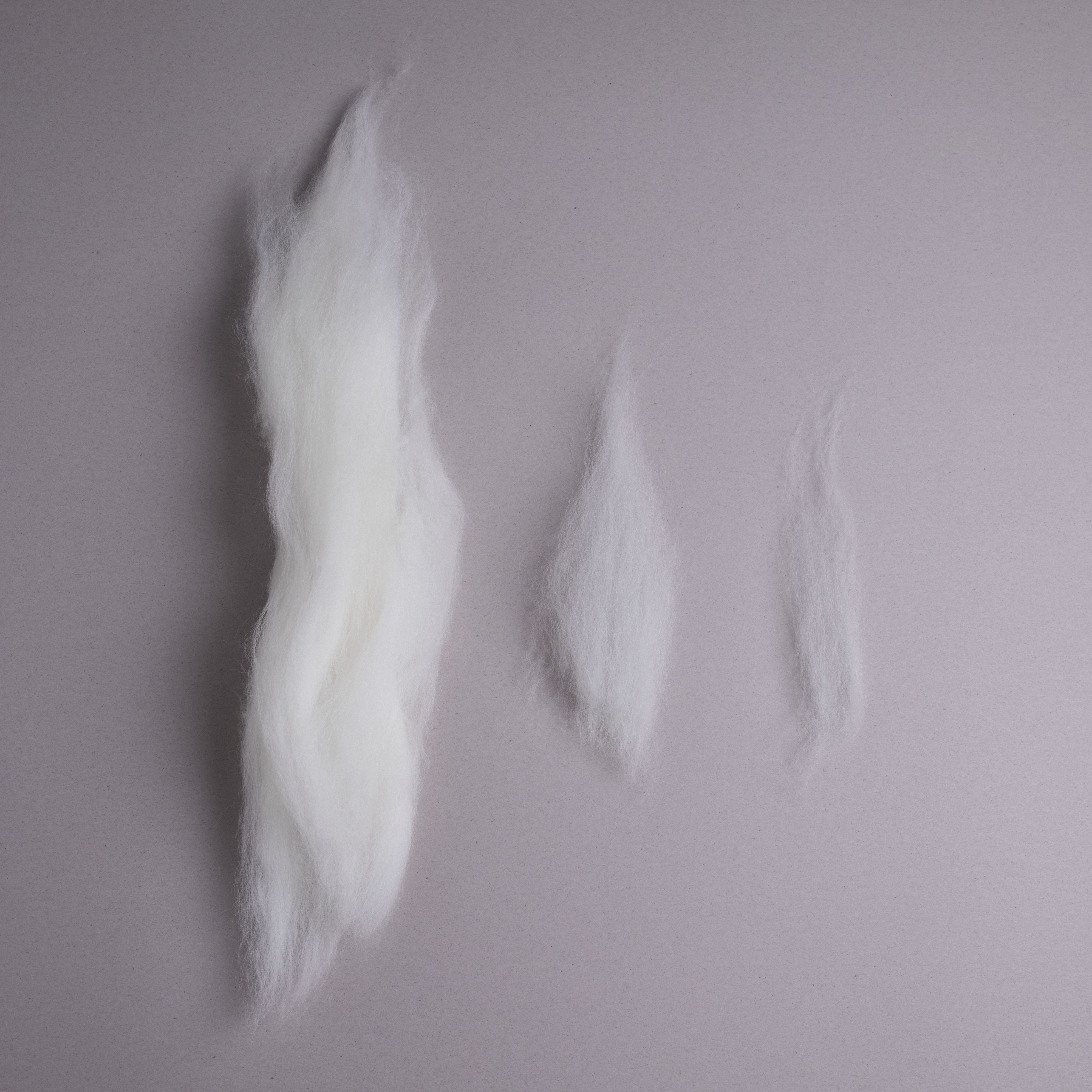
Merino wool comes from sheep of the Merino breed, which originates from Spain. In the 18th and 19th centuries, Merino sheep began to spread to other...
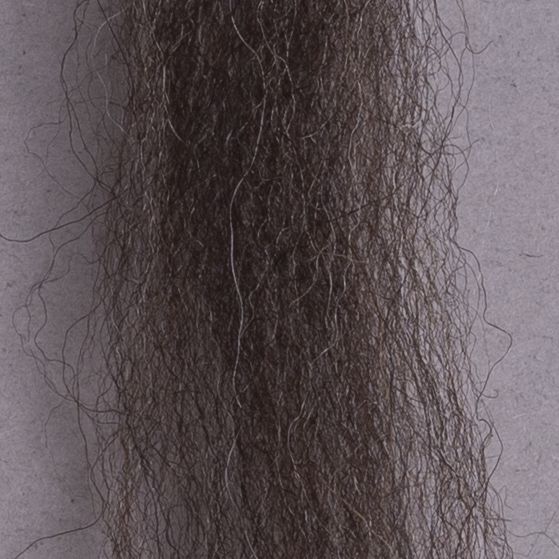
It originates from a sheep breed raised on the Shetland Islands in northern Scotland, where the sheep have adapted to harsh, windy, and cold...
Angora is a highly specialized fibre breed. The exact time of its origin is unknown, but it is believed to date back to around 4000 BC. The breed...
The fluffy Angora rabbit was named after the Turkish city of Ankara, which was formerly called Angora, where domestic animals were first actively...
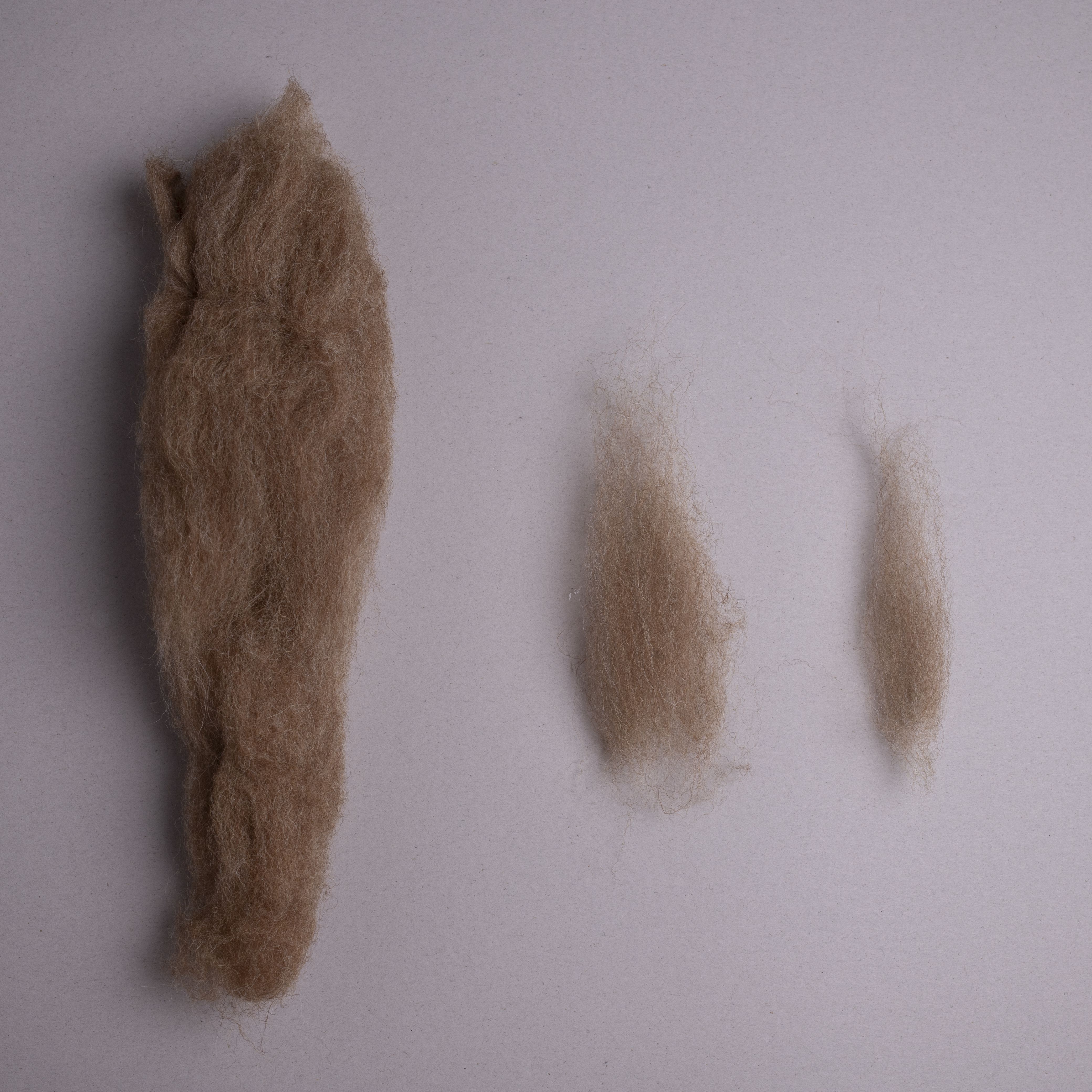
An ancient, rare sheep breed originating from the Isle of Man in the Irish Sea. The breed is very old, likely existing already in the Iron Age and...
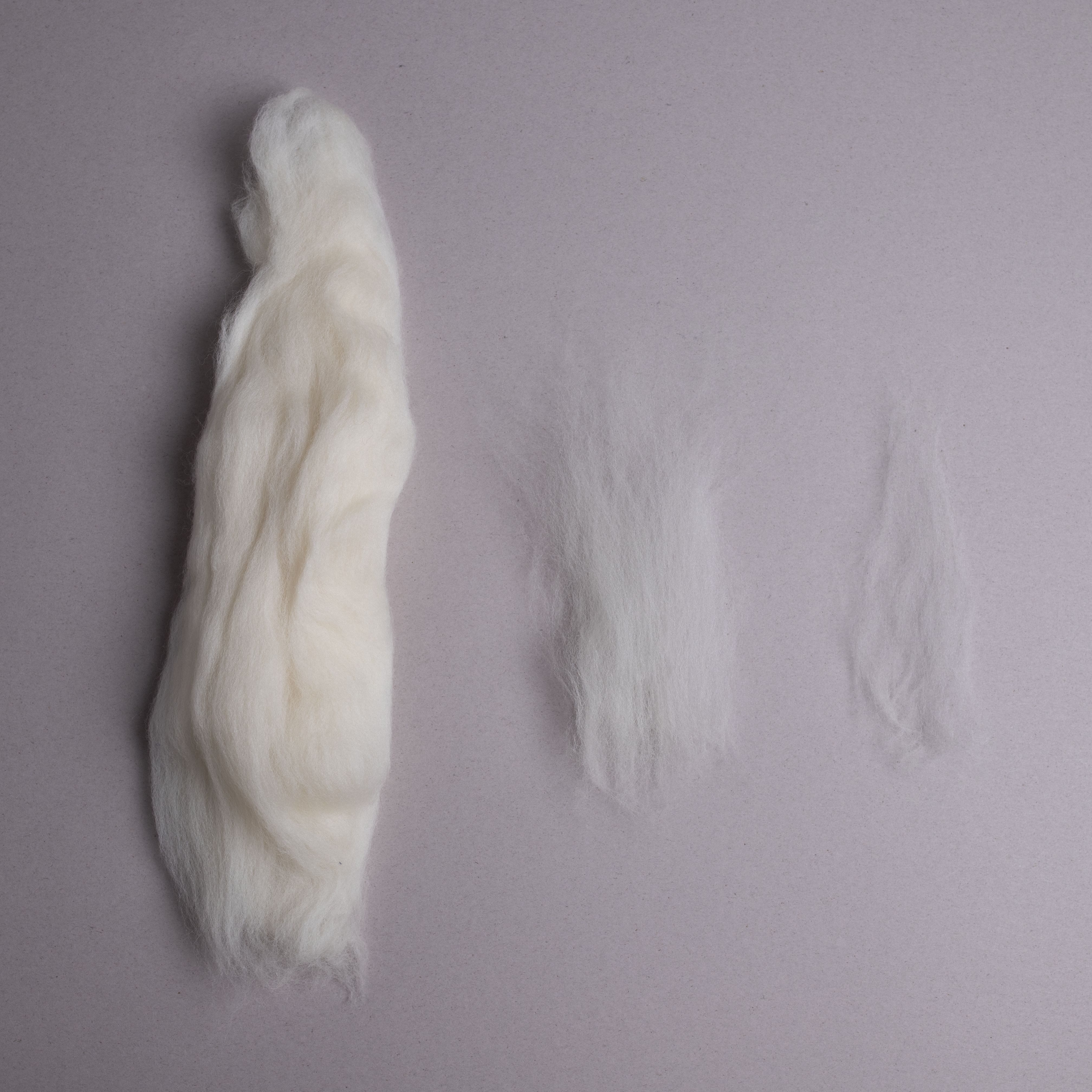
A traditional sheep breed from southern France (especially the Provence and Crau regions), developed in the early 19th century by crossing local...
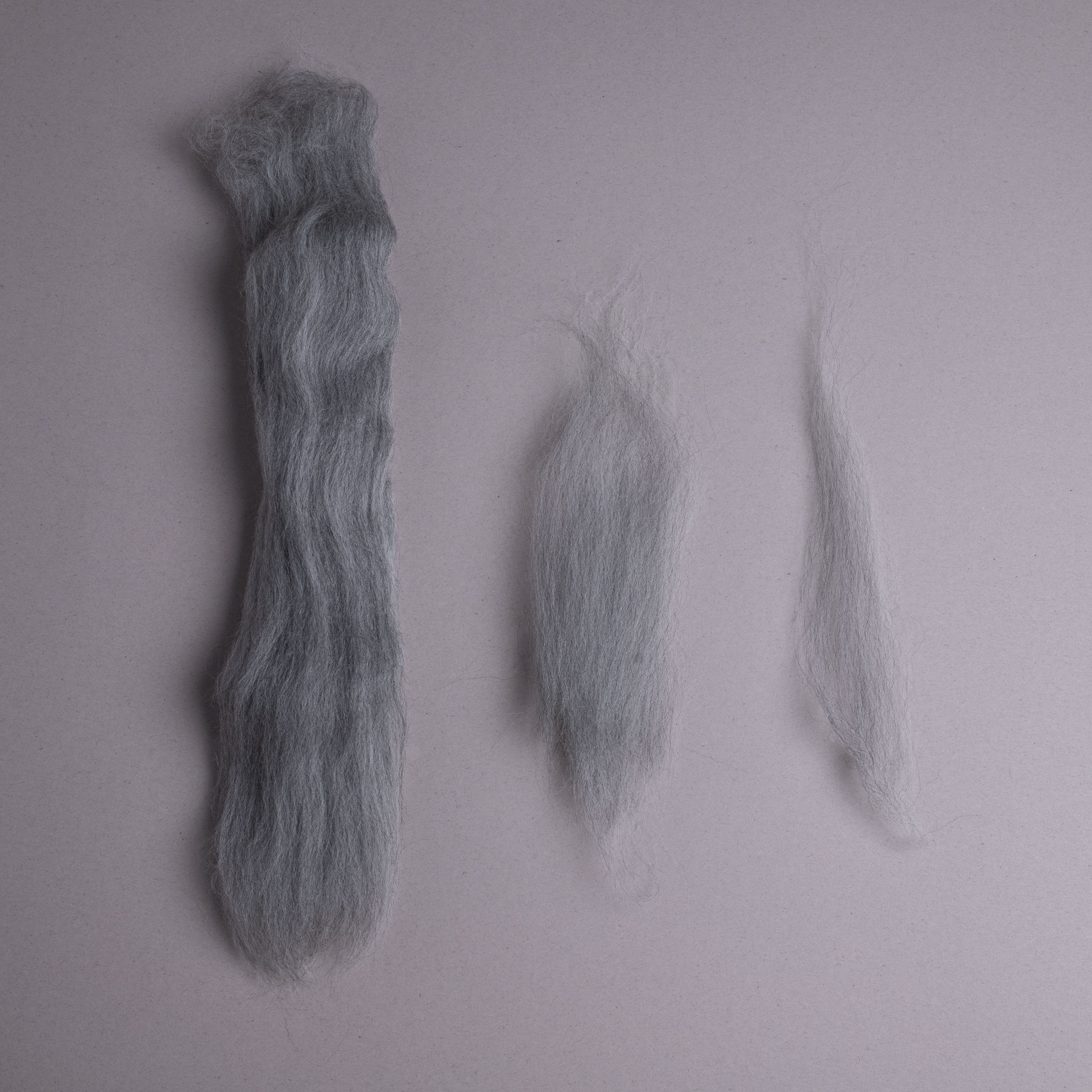
Merino wool comes from sheep of the Merino breed, which originates from Spain. In the 18th and 19th centuries, Merino sheep began to spread to other...
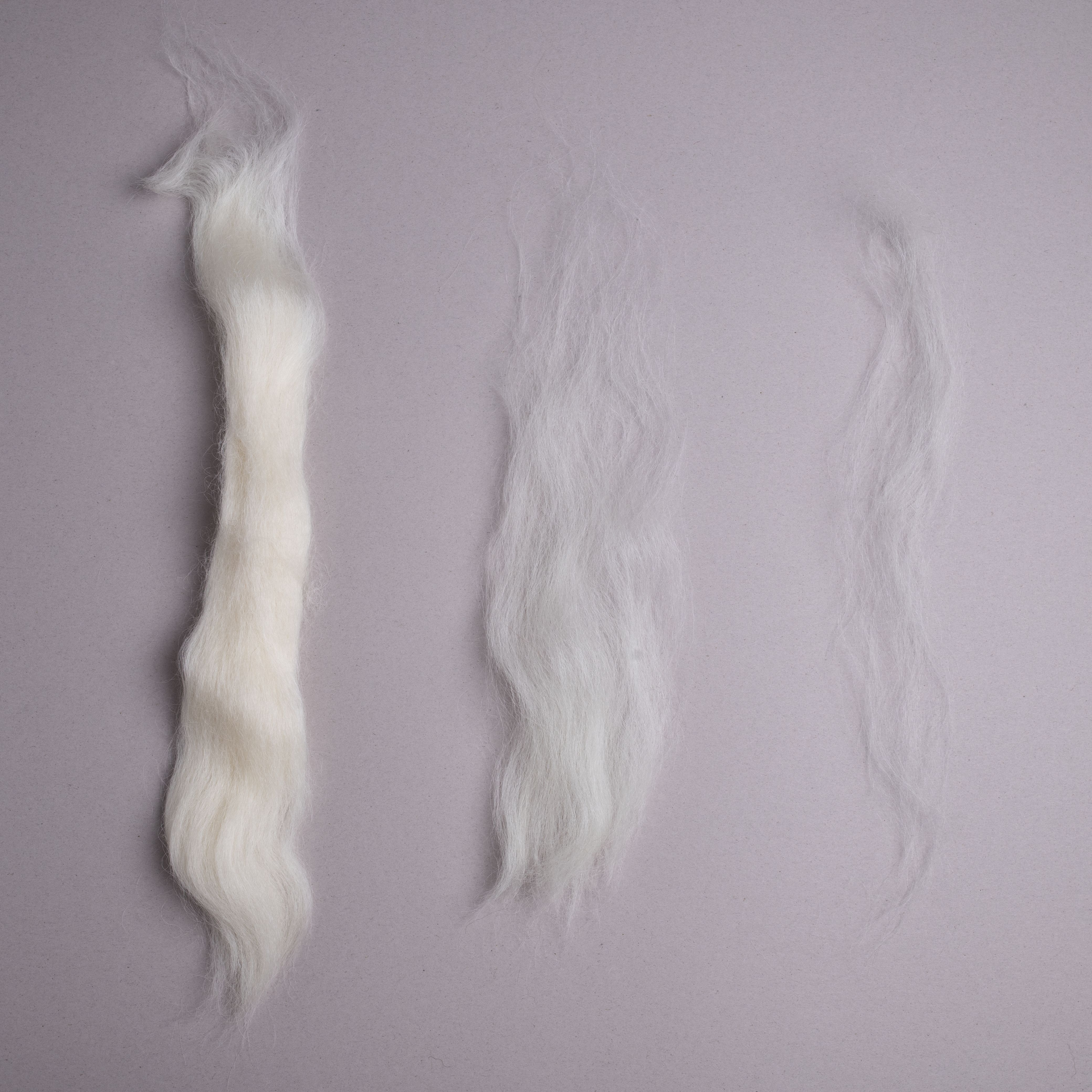
It is a typical British longwool fibre from the Wensleydale sheep breed. The wool has fine, long, silky curls with a wavy structure and very little...
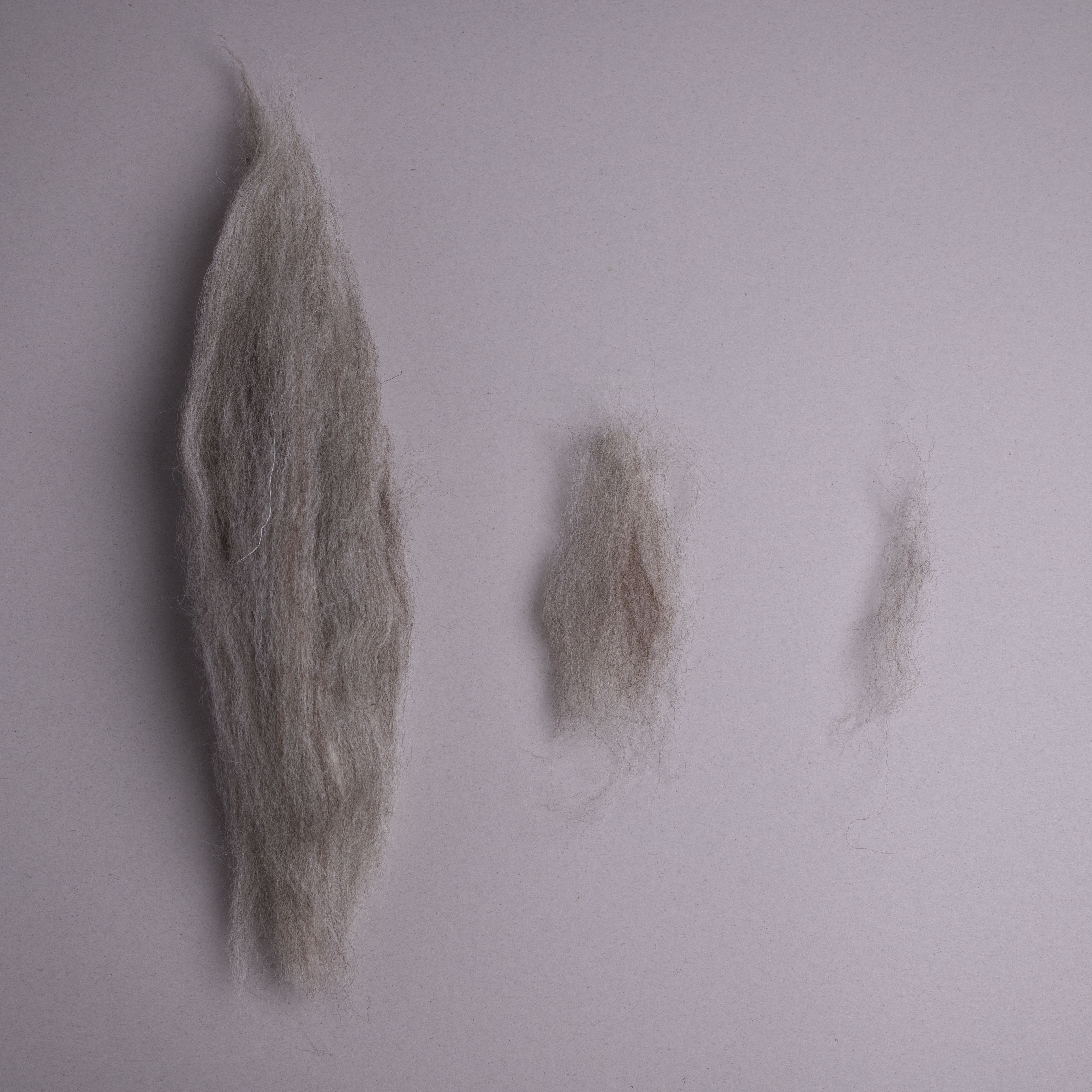
It comes from a British sheep breed developed in northeastern England and is among the best-known and most valued British wools. It has a...
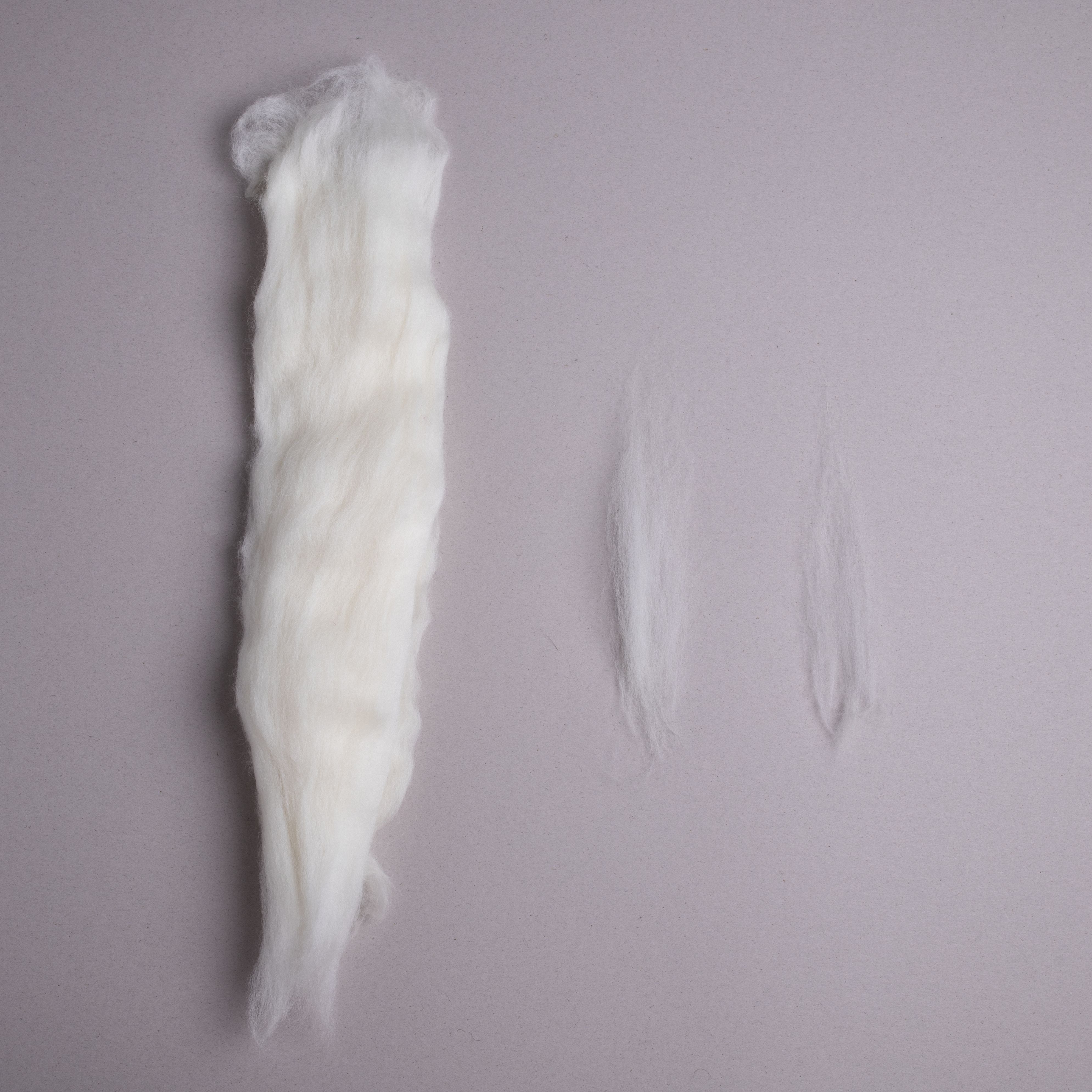
It is a French sheep breed developed at the end of the 18th century from original Spanish Merino sheep. These sheep are known for their resilience,...
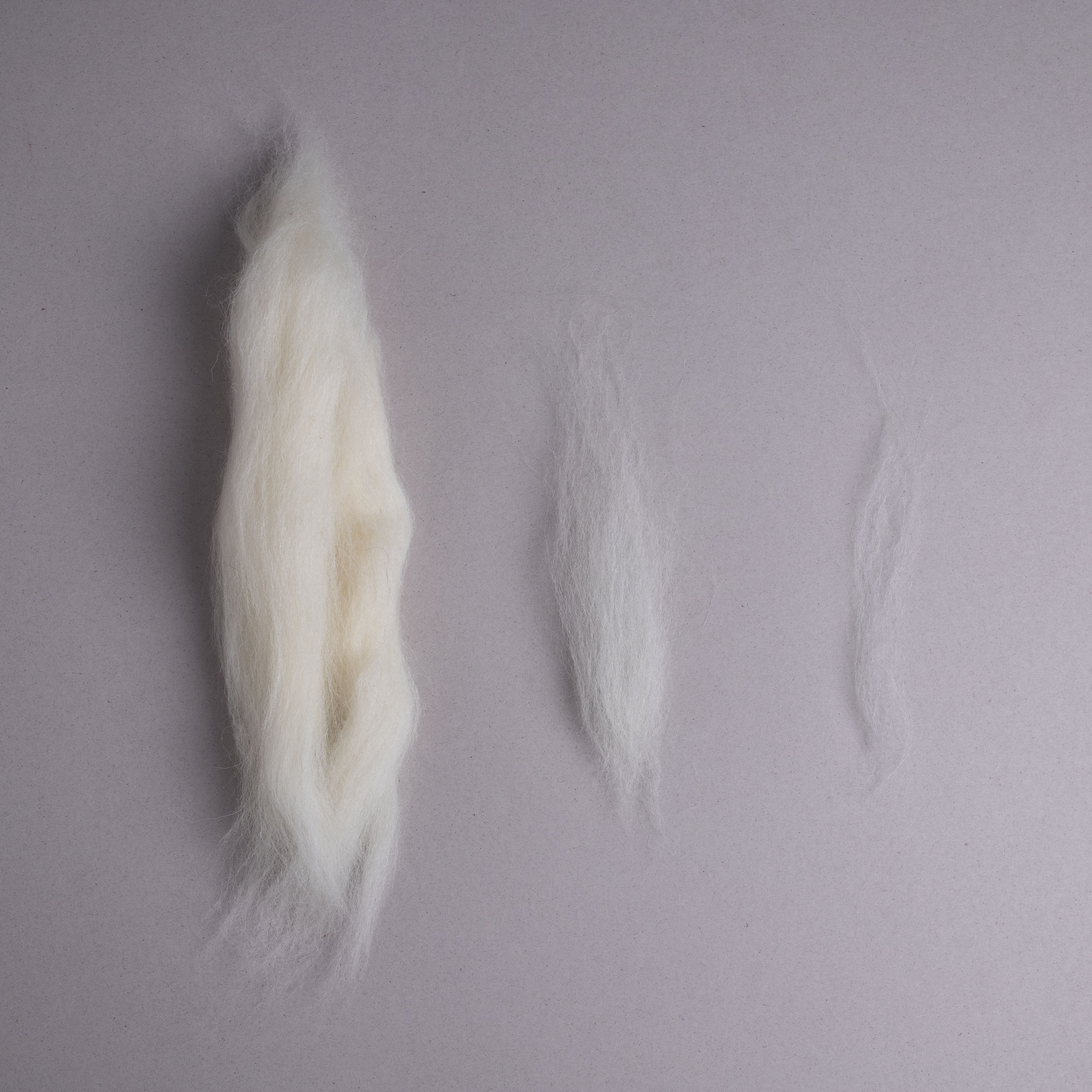
They are traditional British sheep breeds originating from the border regions of England and Scotland, and their wool is often blended to achieve...
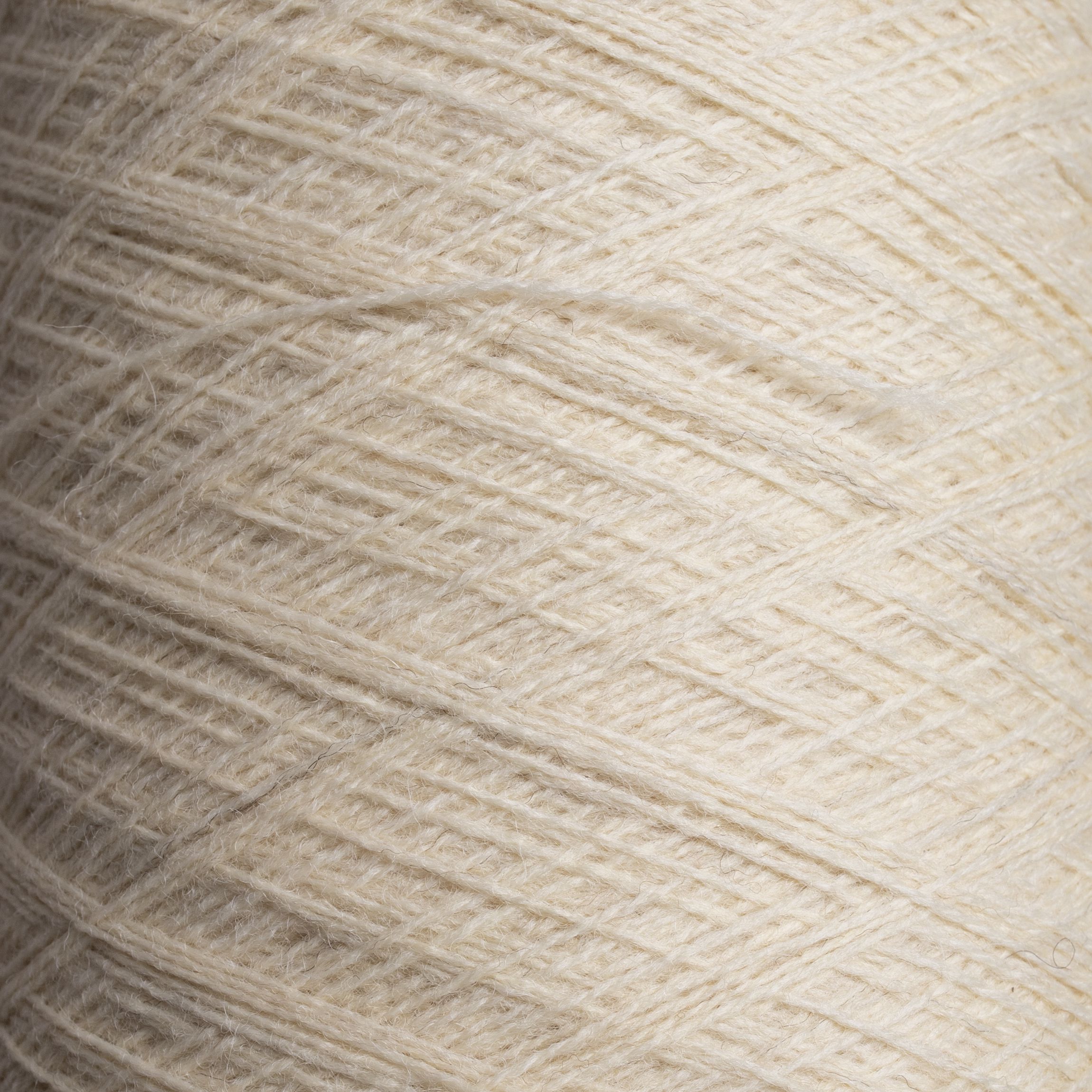
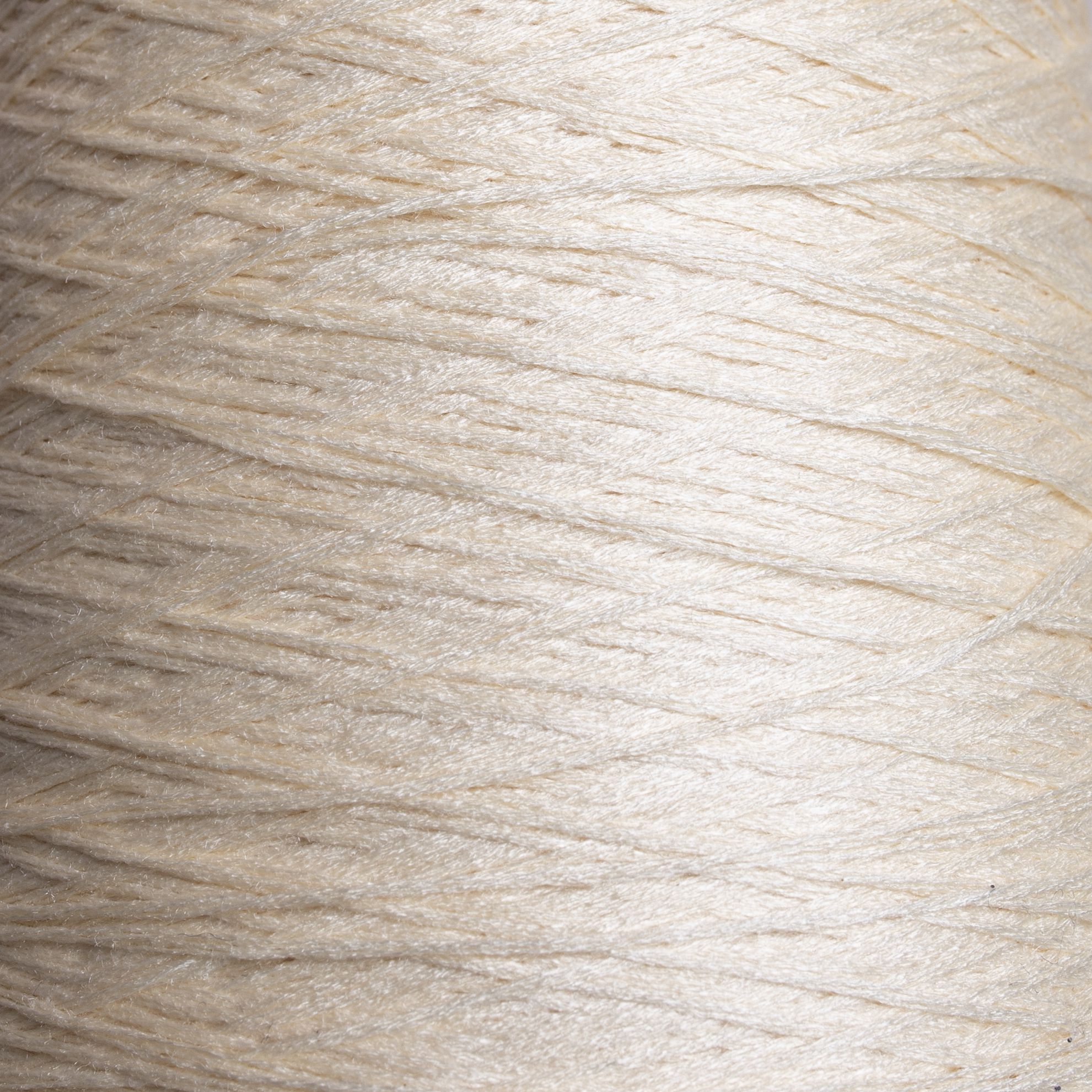
Wool yarn is a textile material made from natural wool fibres obtained mainly from sheep, but also from animals such as goats, alpacas, and llamas....
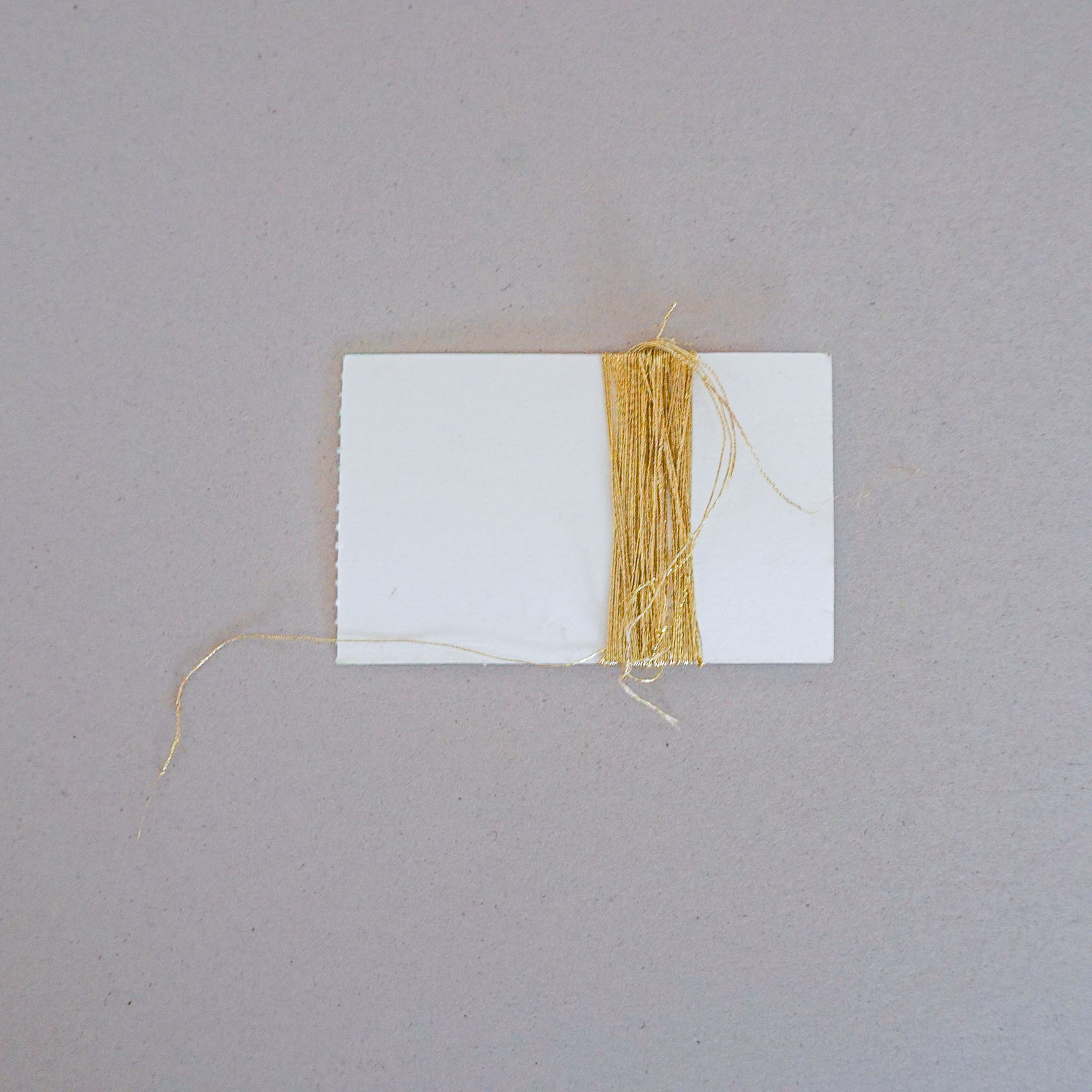
Metal threads were used in Slovakia within folk art, especially for decorating traditional folk costumes (kroje), but also other garments and...
.jpg)
Elastic 100% linen fabric is a unique natural textile material made exclusively from fibers of flax (Linum usitatissimum), where elasticity is...

Whether you're a designer, manufacturer, or company, we help you innovate and create more sustainable products.
Copyright © 2026 Textile center
Realization WebSite21
The product has been successfully added to the shopping cart
.jpg)