Cigája
Wool of the Cigája sheep comes from the Cigája (Tsigai) breed, one of the oldest and most important indigenous sheep breeds in Central and Eastern Europe, including Slovakia, Hungary, and Romania.
History and origin
The Cigája originates from the Eastern Mediterranean and the Balkans, from where it spread in the 18th century through Romania and Hungary to Slovakia. Its name comes from the Romanian word țigáie. In the past, it was also known as the Zombor sheep, Oláh sheep, or Berke. The breed adapted quickly to different climatic conditions, tolerates traditional pasture-based (salaš) farming well, and is considered a very hardy breed.
Thanks to its triple-purpose use (milk, meat, wool), it became one of the most widespread sheep breeds in the Carpathian Basin and surrounding regions.
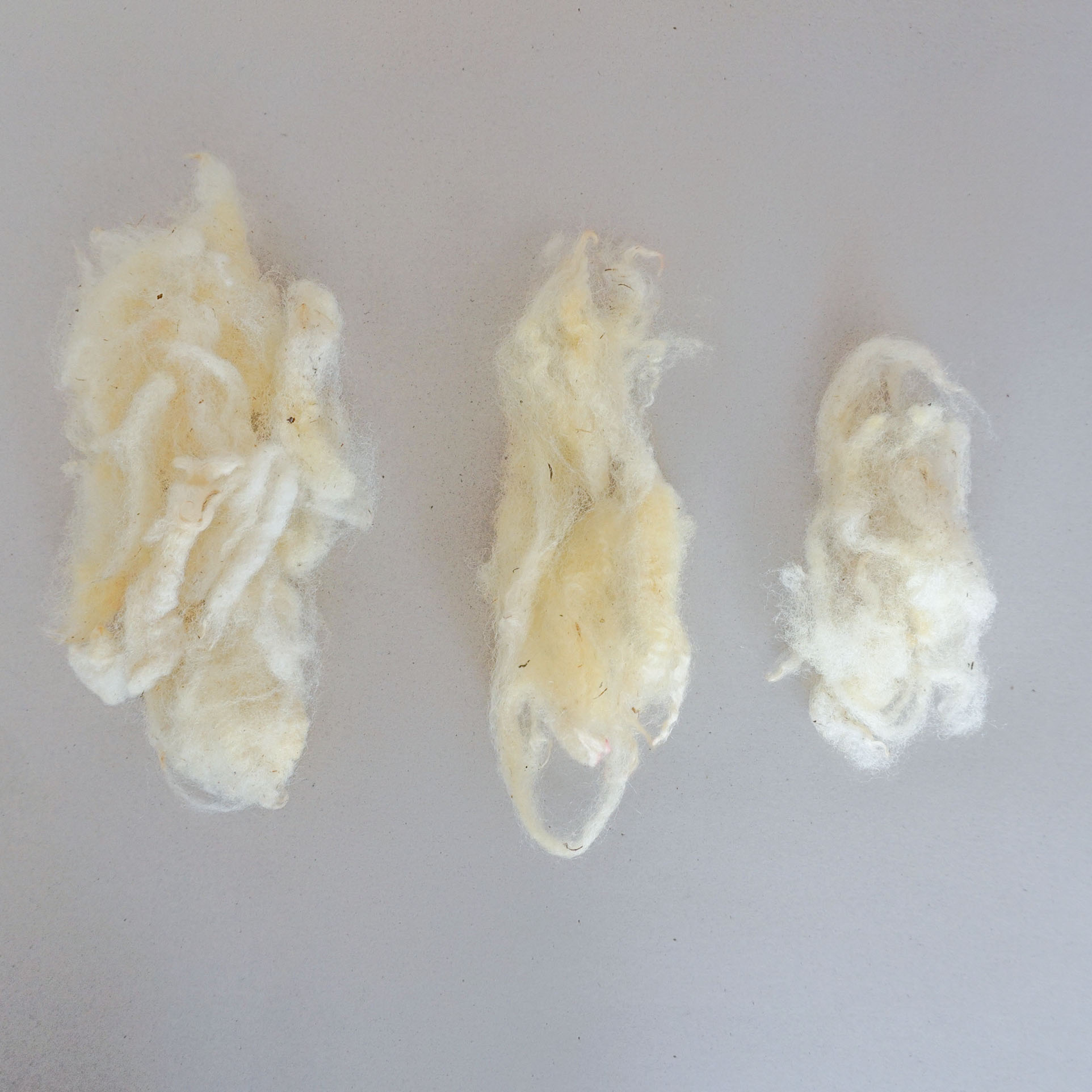
The wool is mainly white and semi-closed, with occasional black or grey fibres (especially in the past; today white wool is preferred for industrial processing). Fibre fineness is in the B–C range, and in higher altitudes or in rams also C/D, meaning a fineness of up to about 35 micrometres (µm). The wool yield is around 60–65% of clean fibre after processing.
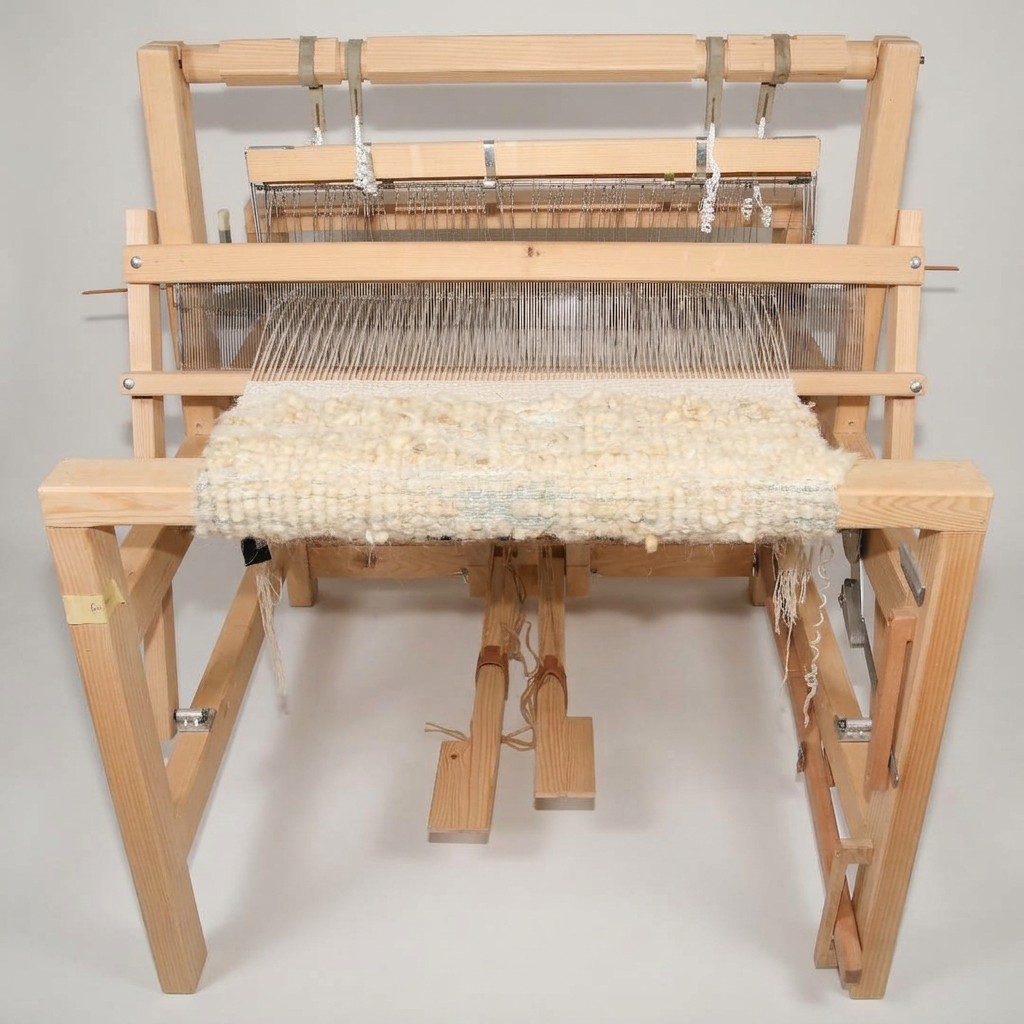
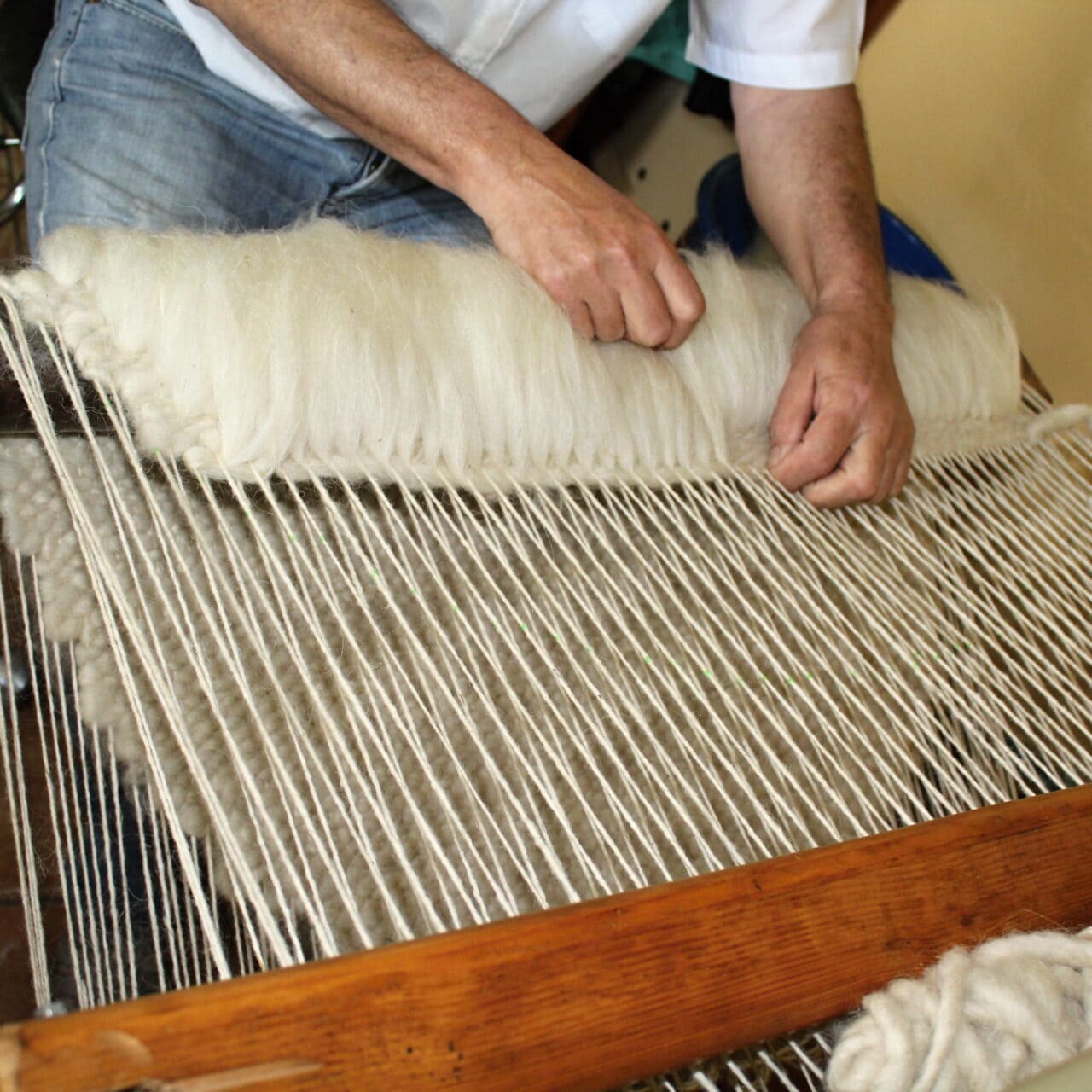
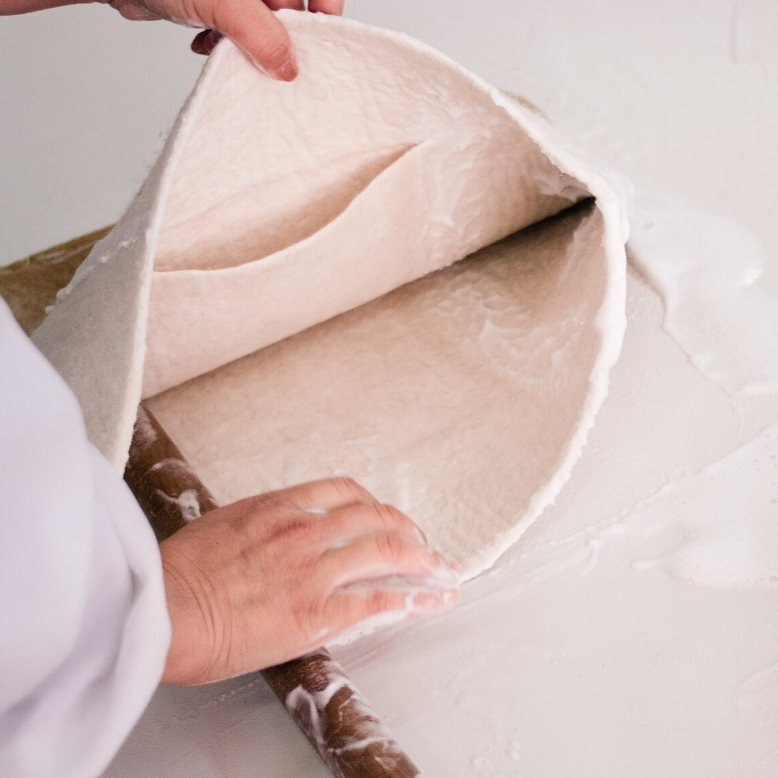
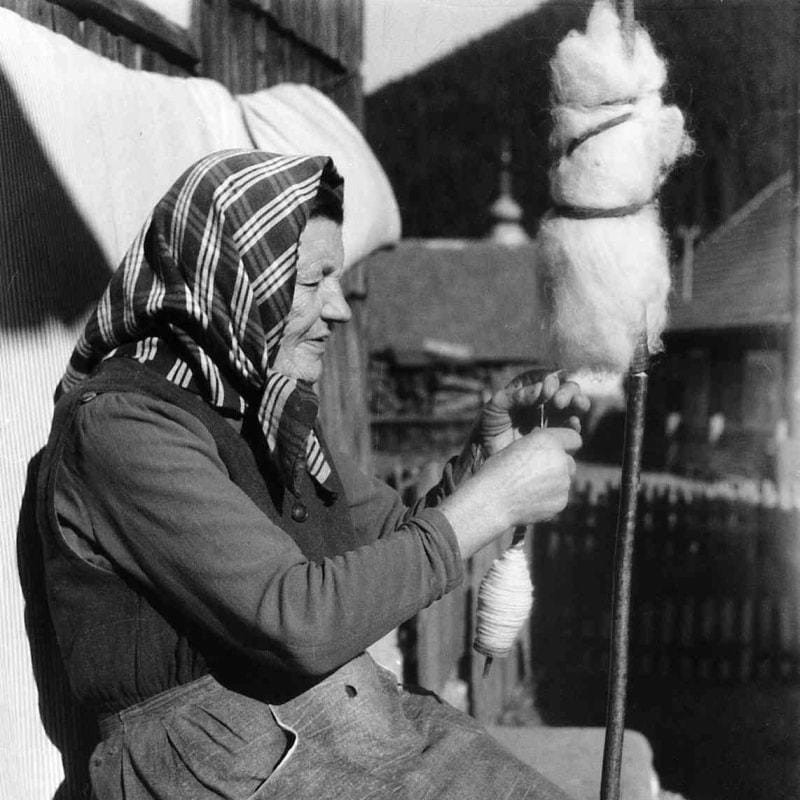
Cigája wool was used for producing fabrics, military cloth, blankets, carpets, and knitted products. The coarser part of the wool (D quality) was suitable for blankets and heavy textiles.
Interesting facts
The Cigája is the second most numerous sheep breed in Slovakia and also an important breed in Hungary and Romania. In the past, its wool was highly valued for its versatility and good processing properties, especially in regions with developed textile industries (e.g. Brașov in Romania). The breed is known for its black head and legs, while the body is covered with white fleece. It is highly resistant to adverse weather and adapts well to both mountainous and lowland areas.
Show more