Gallery
About the technology
| Technologies / Tools / Machines | hand-held technique |
|---|---|
| Text source | |
| Photo source |
| Organization name | Detail |
|---|


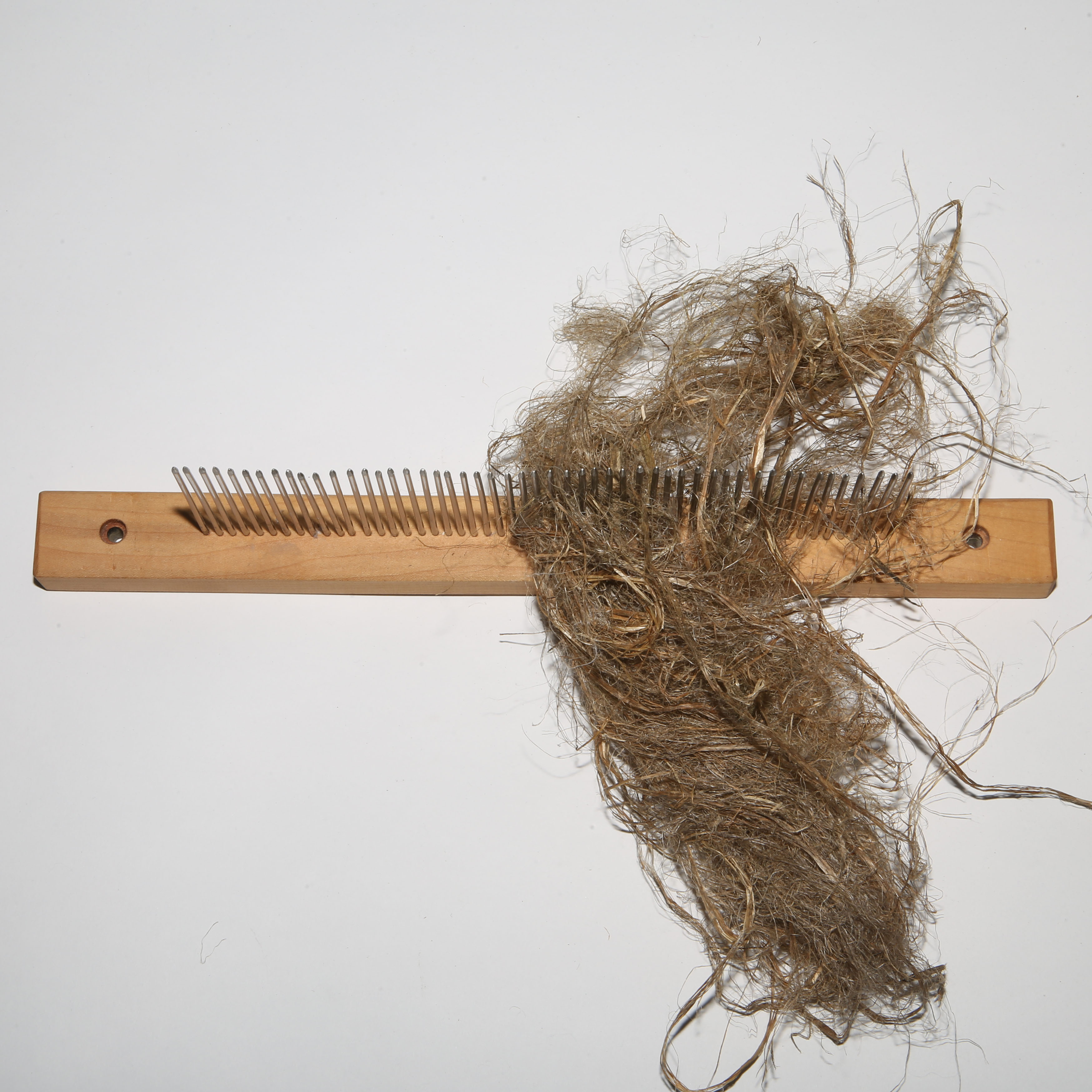
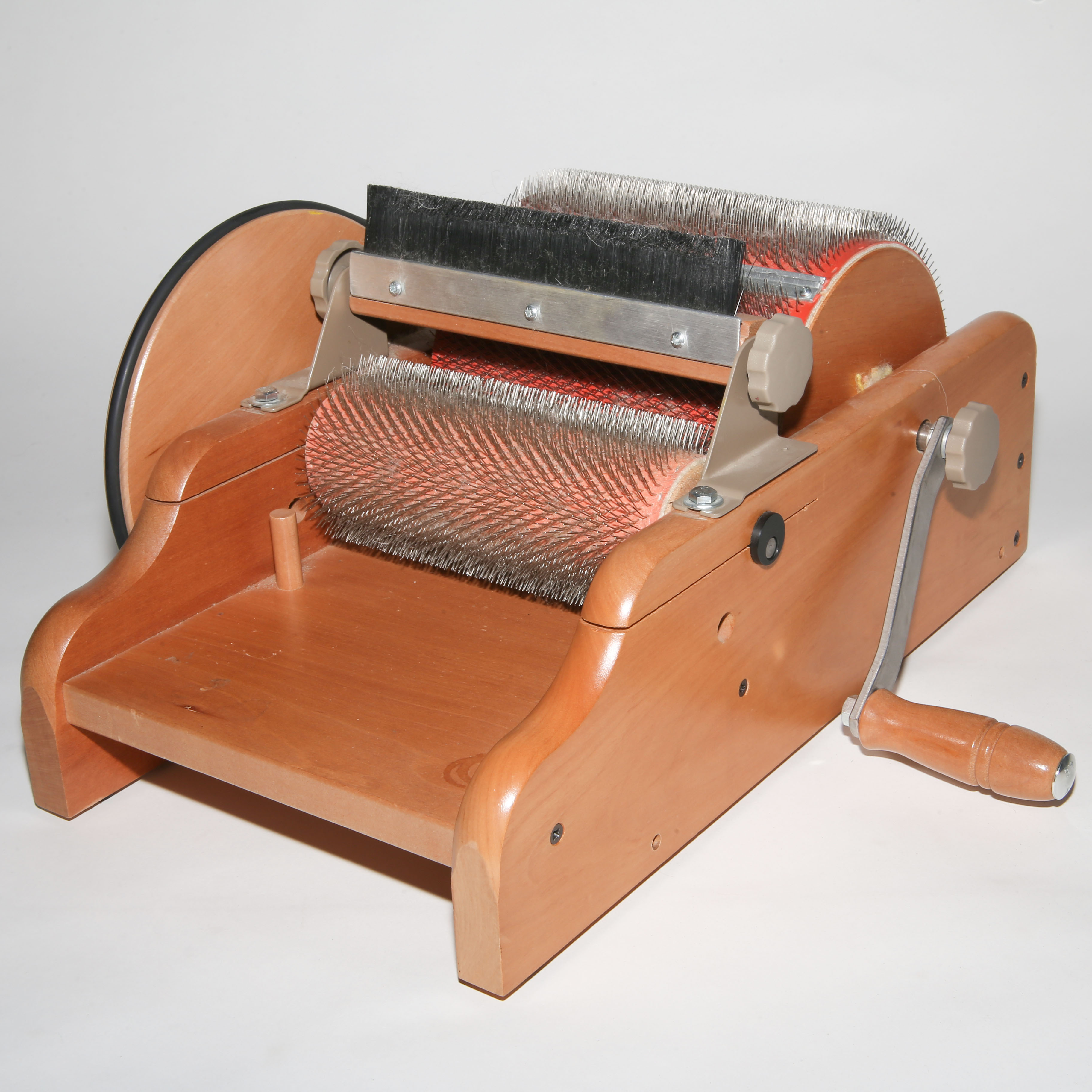
| Technologies / Tools / Machines | hand-held technique |
|---|---|
| Text source | |
| Photo source |
| Organization name | Detail |
|---|
.jpg)
It is made from long bast fibres of the stem of industrial hemp. It is one of the oldest and most sustainable textile fibres. It is breathable,...

Horsehair is strong, flexible, relatively coarse, and is used mainly for upholstery, mattresses, brush making, bow hair for string instruments, and...
.jpg)
It refers to hemp fiber that still contains remnants of the woody part of the stem—known as shives. During hemp processing, the stems are first...

Whether you're a designer, manufacturer, or company, we help you innovate and create more sustainable products.
Copyright © 2026 Textile center
Realization WebSite21
The product has been successfully added to the shopping cart
.jpg)
.jpg)
.jpg)