Materials
Browse our collection of textile materials and discover their properties and uses.
-
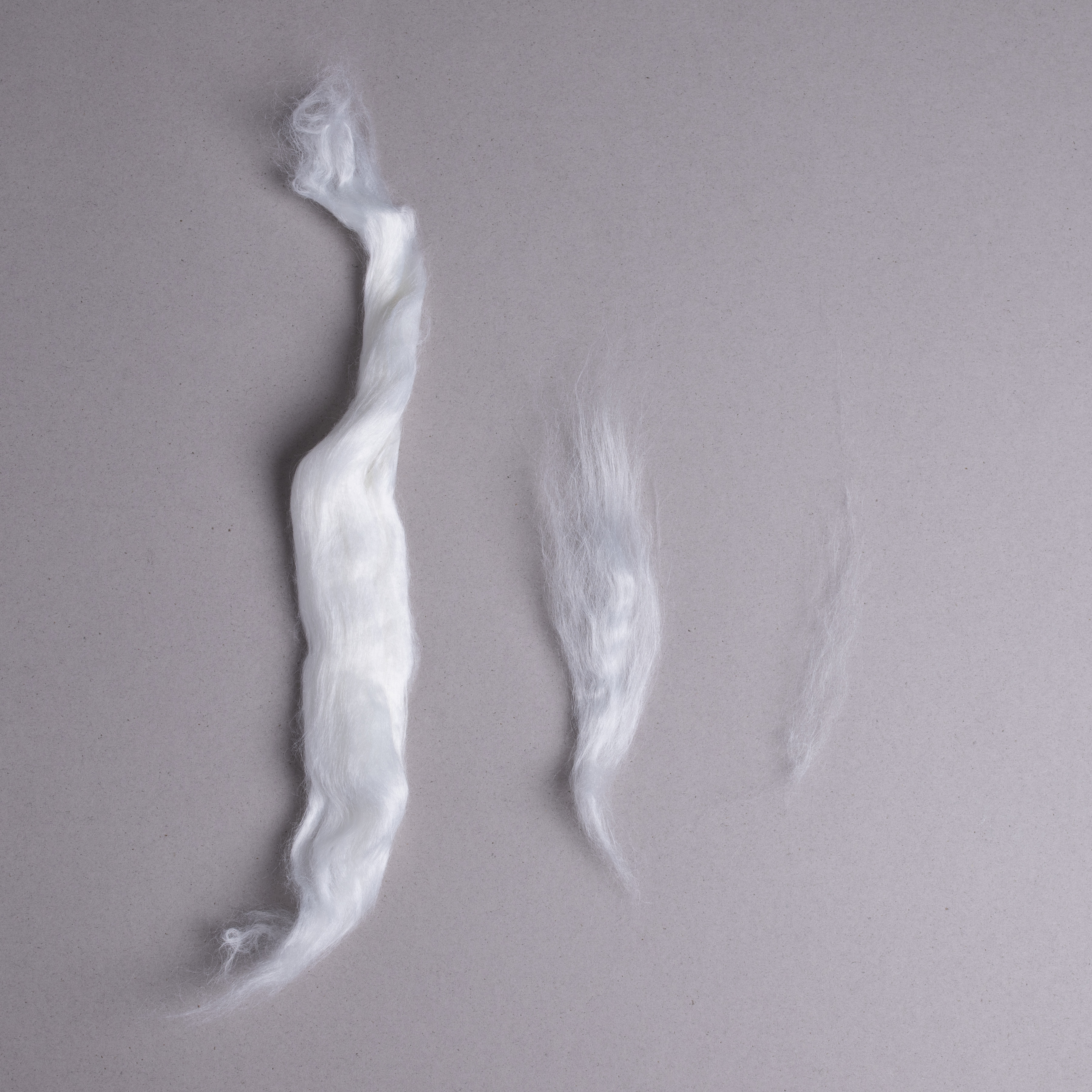
Bamboo viscose
Bamboo viscose is one of the most important innovations in the modern textile industry, combining the benefits of a natural raw material with...
Connected with no organizations
-
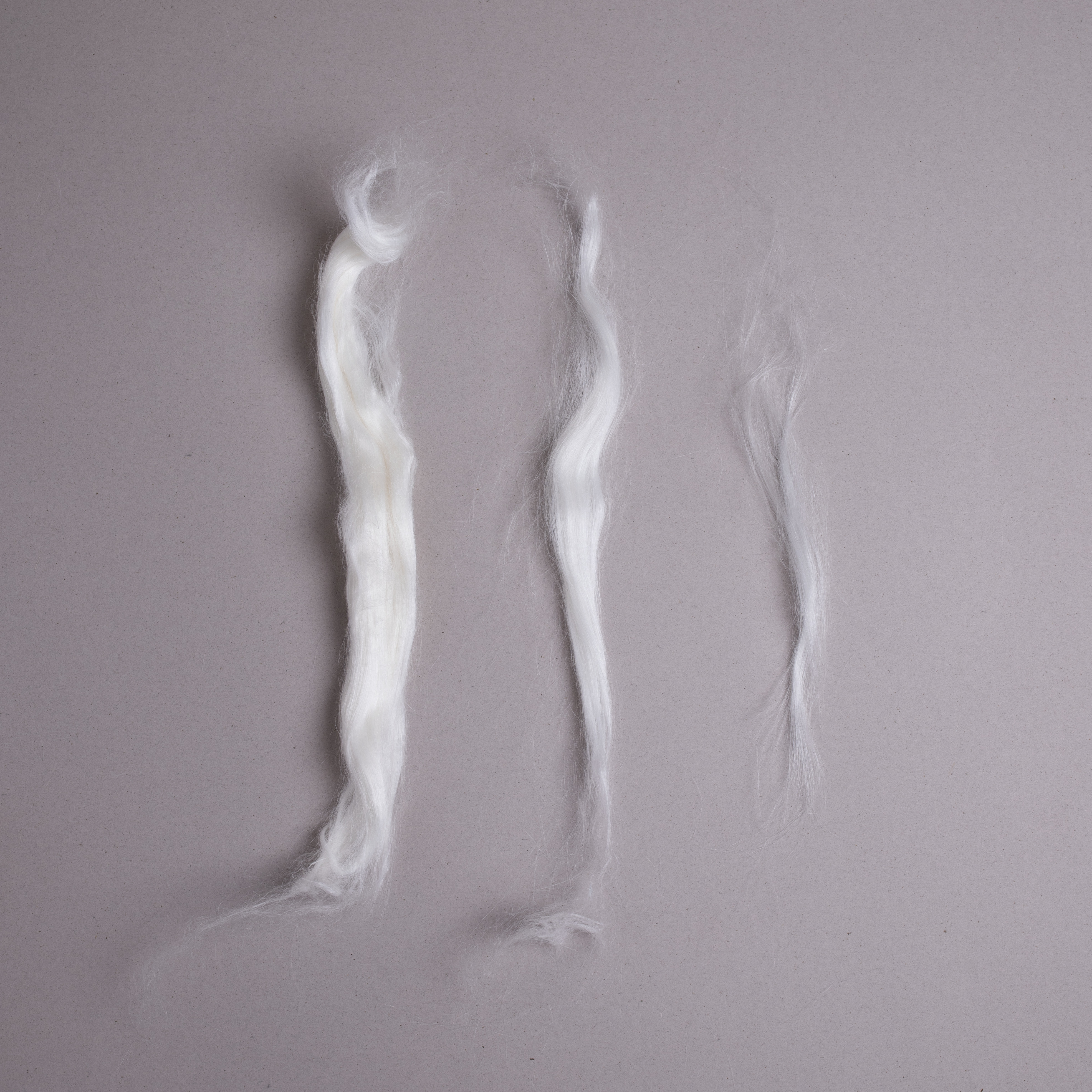
Banana viscose
Banana fibre is one of the oldest natural textile materials and has a long tradition of use in the textile industry. While traditional banana fibre...
Connected with no organizations
-
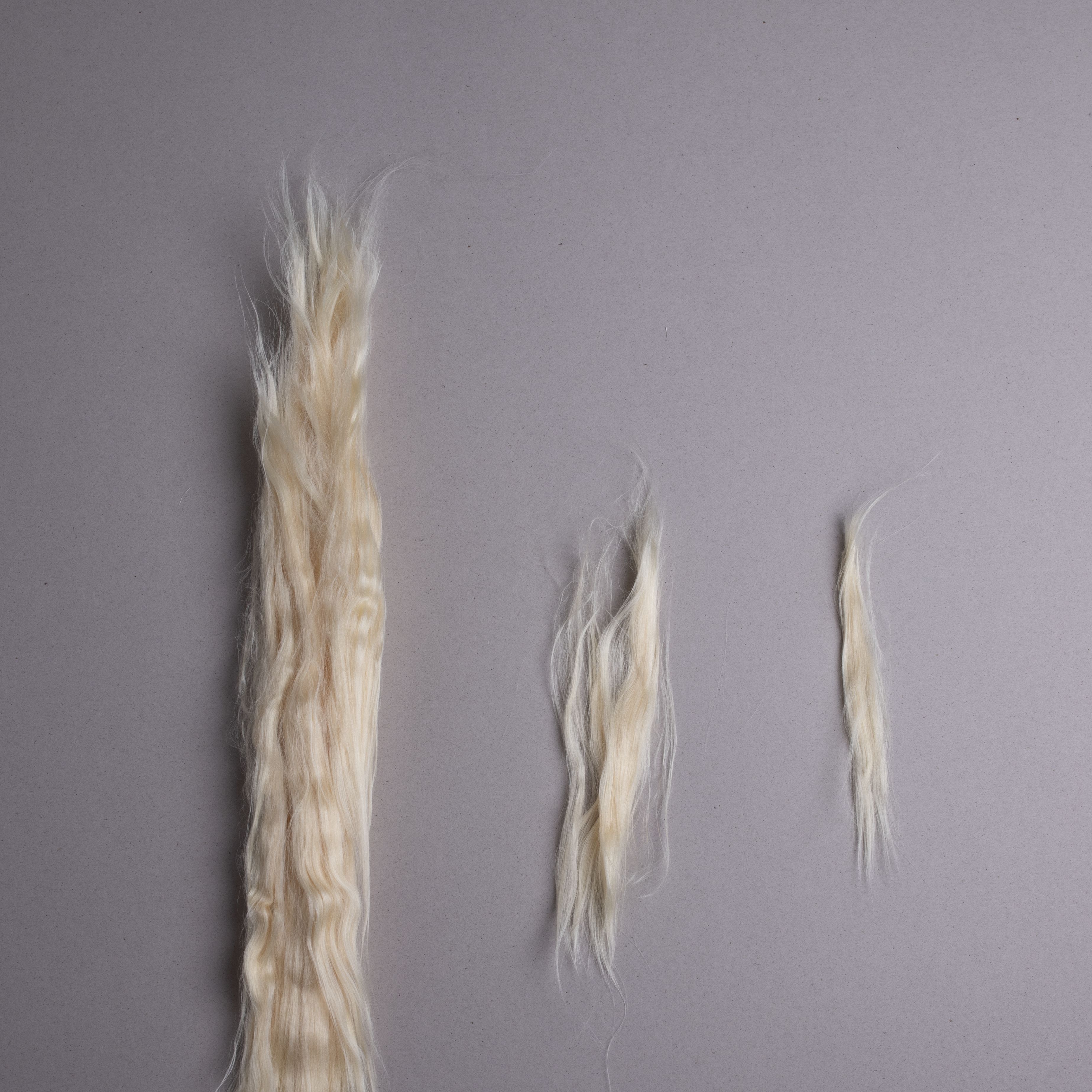
Soy viscose
Soy Viscose – also known as soy fiber or “plant cashmere” – is one of the most interesting innovations in sustainable textile materials. This...
Connected with no organizations
-
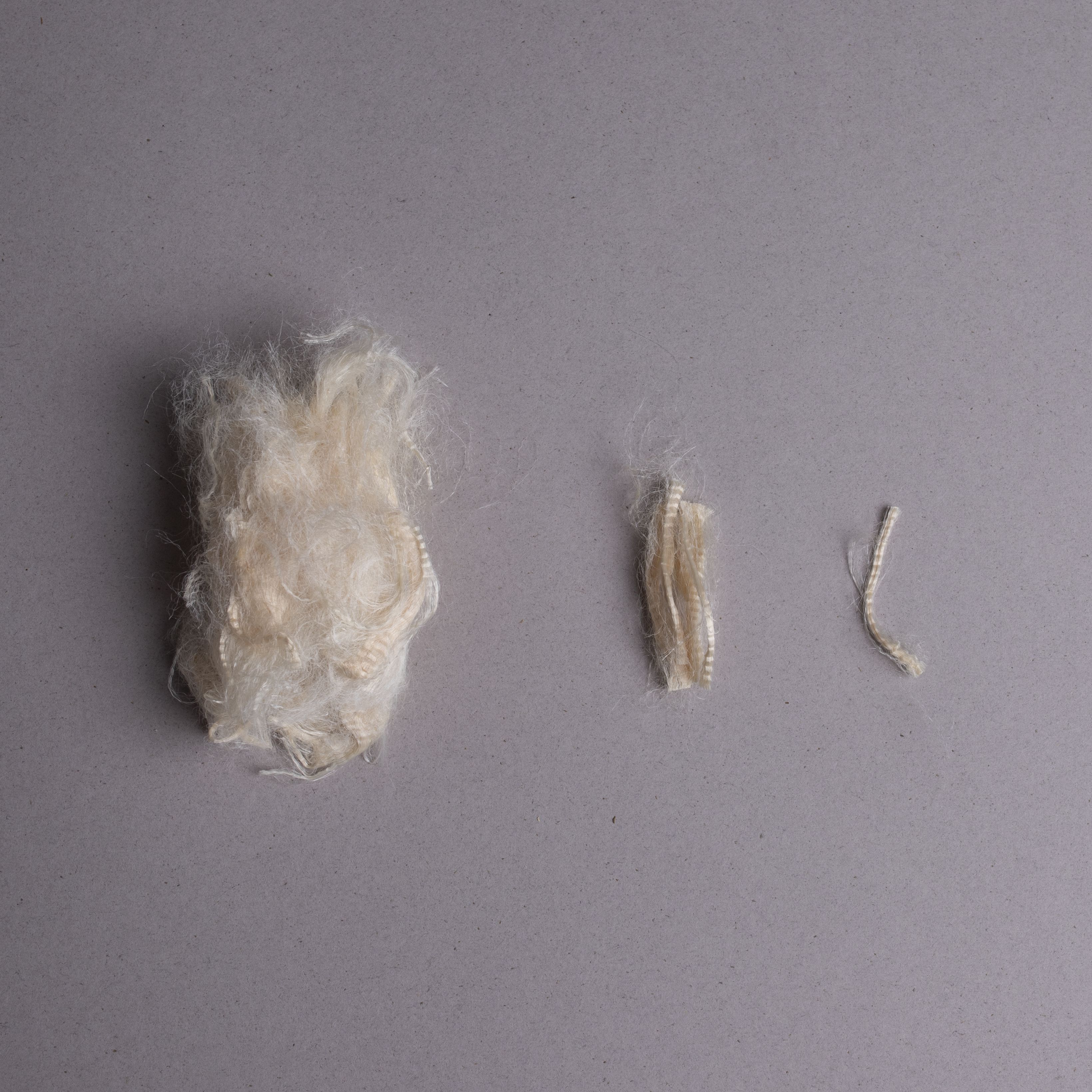
Soy crepe viscose
Soy crepe viscose is a specialized type of textile material that combines the properties of soy fiber with a characteristic crepe texture. This...
Connected with no organizations
-
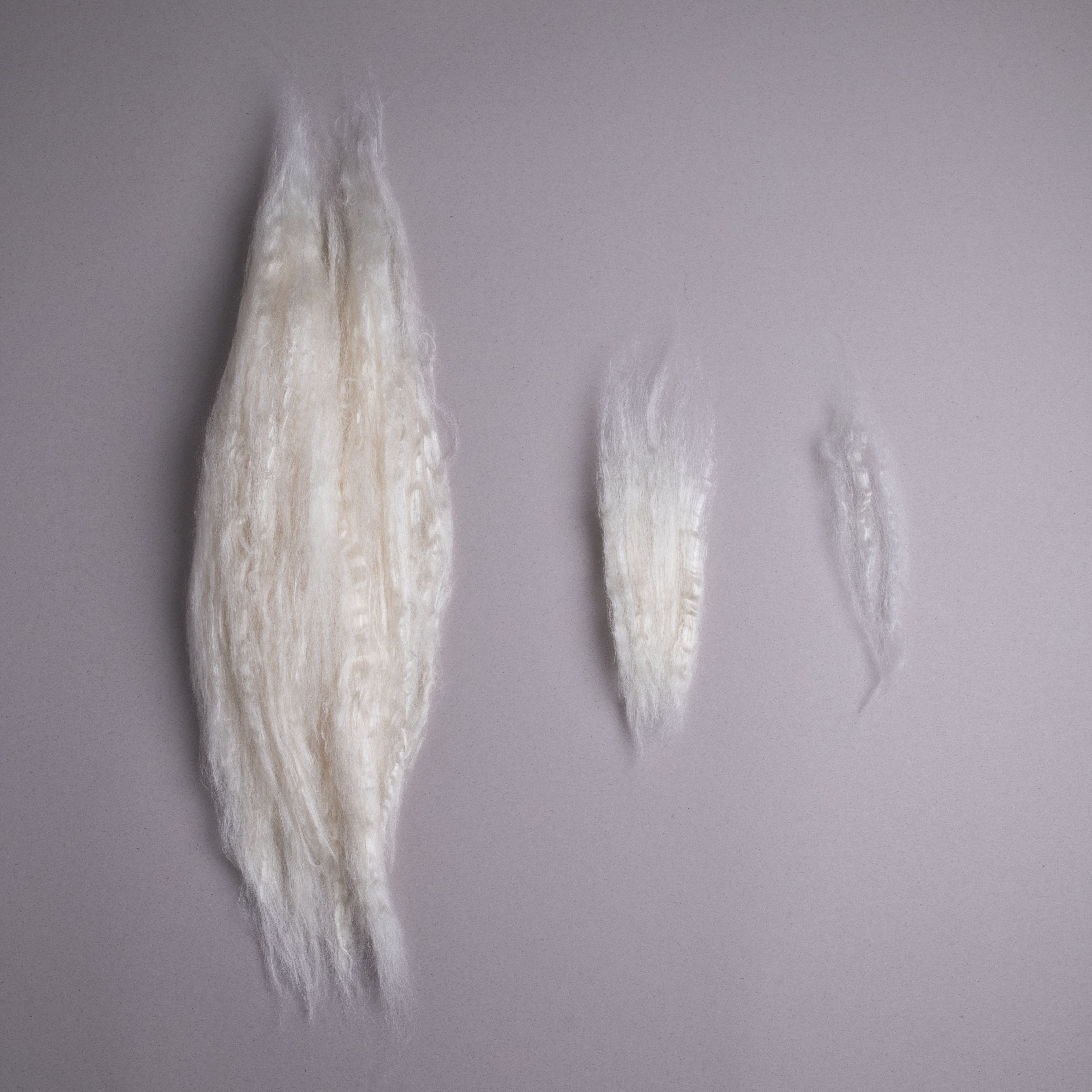
Mint viscose
Mint viscose represents one of the newest innovations in the field of functional textile materials, combining the traditional properties of viscose...
Connected with no organizations
-
.jpg)
Corn viscose Ingeo
Color: white Fiber length: depending on use Fiber fineness: 1.5 dtex Strength: 30–35 cN/tex Elasticity: 50–75% It has excellent properties for...
Connected with no organizations
-
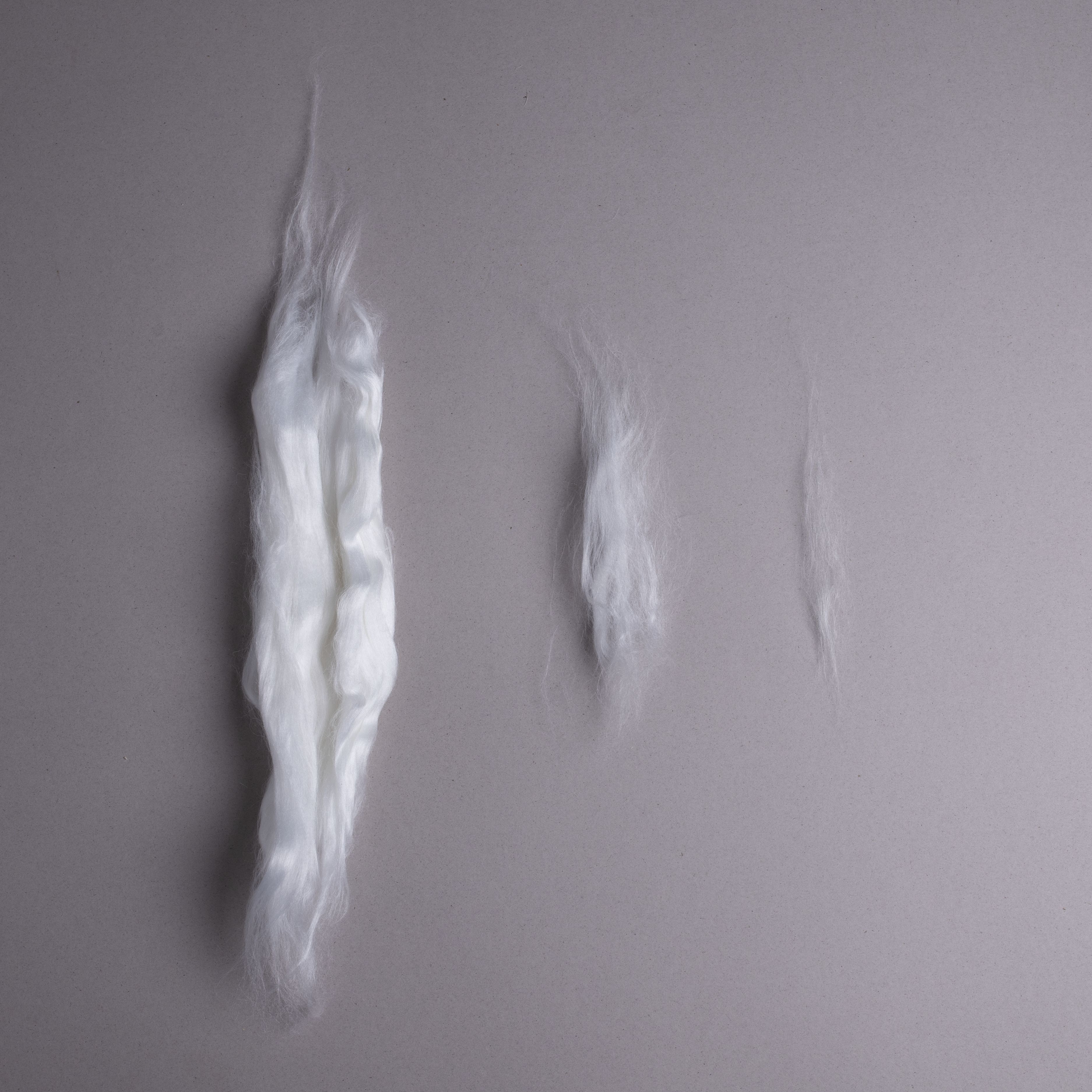
Seaweed viscose
Seaweed viscose represents one of the latest innovations in functional textile materials, combining the traditional properties of viscose fiber with...
Connected with no organizations
-
.jpg)
Pearl viscose
Pearl viscose (“mother-of-pearl viscose”) is a special variant of viscose fiber characterized by a distinct silky sheen and an optical effect...
Connected with no organizations
-
.jpg)
Lotus viscose
Lotus viscose is a special type of viscose fiber in which cellulose is obtained from fibers of the lotus flower (Nelumbo nucifera). It is a rare and...
Connected with no organizations
-

Cellophane (cellulose)
Cellophane is a thin, transparent film made from chemically regenerated cellulose and is considered one of the oldest artificial materials derived...
Connected with no organizations
-
Acetate silk (cellulose)
Acetate silk is a semi-synthetic textile fiber made from cellulose that visually and tactilely resembles natural silk. It was first successfully...
Connected with no organizations
-
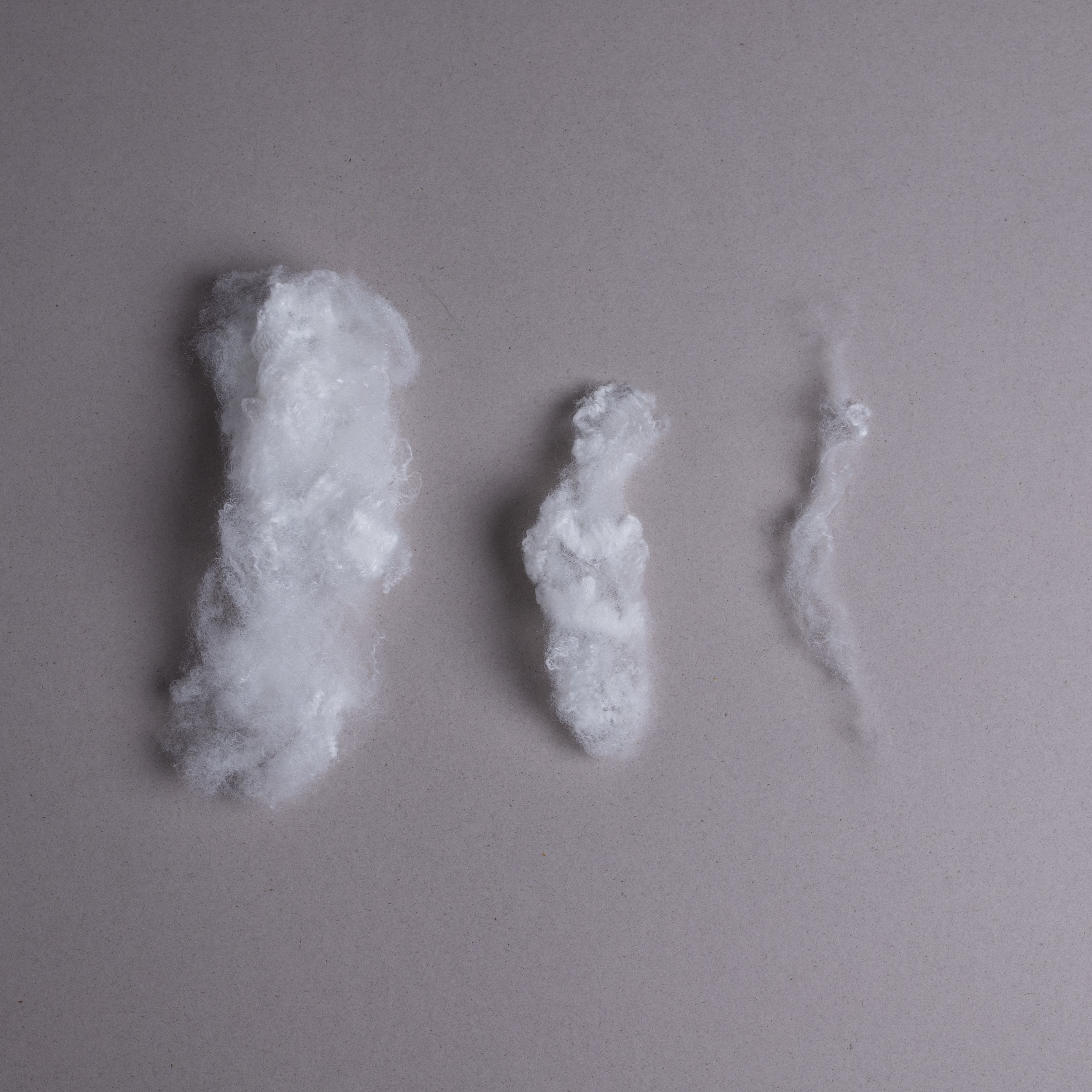
PET bottles
PET bottles are plastic containers made from polyethylene terephthalate (PET), a thermoplastic polyester synthesized from terephthalic acid and...
Connected with no organizations
-
.jpg)
metal threads - historical
Historical metal threads were luxury textile materials made from thin strips of precious metals—most commonly gold and silver—or from fine metal...
Connected with no organizations
-
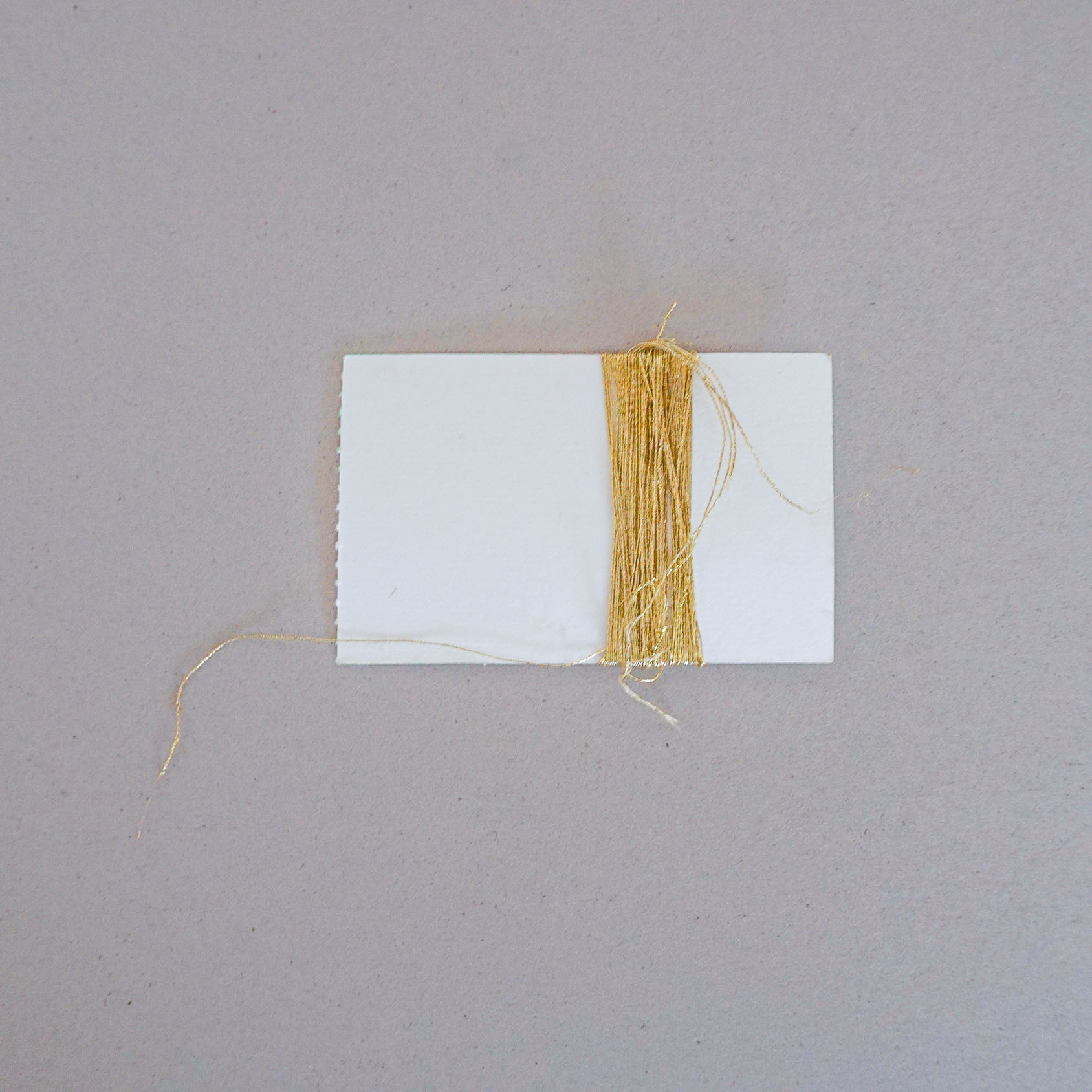
metal threads - with lurex
Metallic yarns with Lurex are modern textile materials in which the base consists of metallic fibers made from a special film (Lurex®), most...
Connected with no organizations
-
glass fiber
Glass fiber is an inorganic material produced by melting and subsequently drawing a carefully selected mixture of silicon dioxide (SiO₂) and other...
Connected with no organizations
-
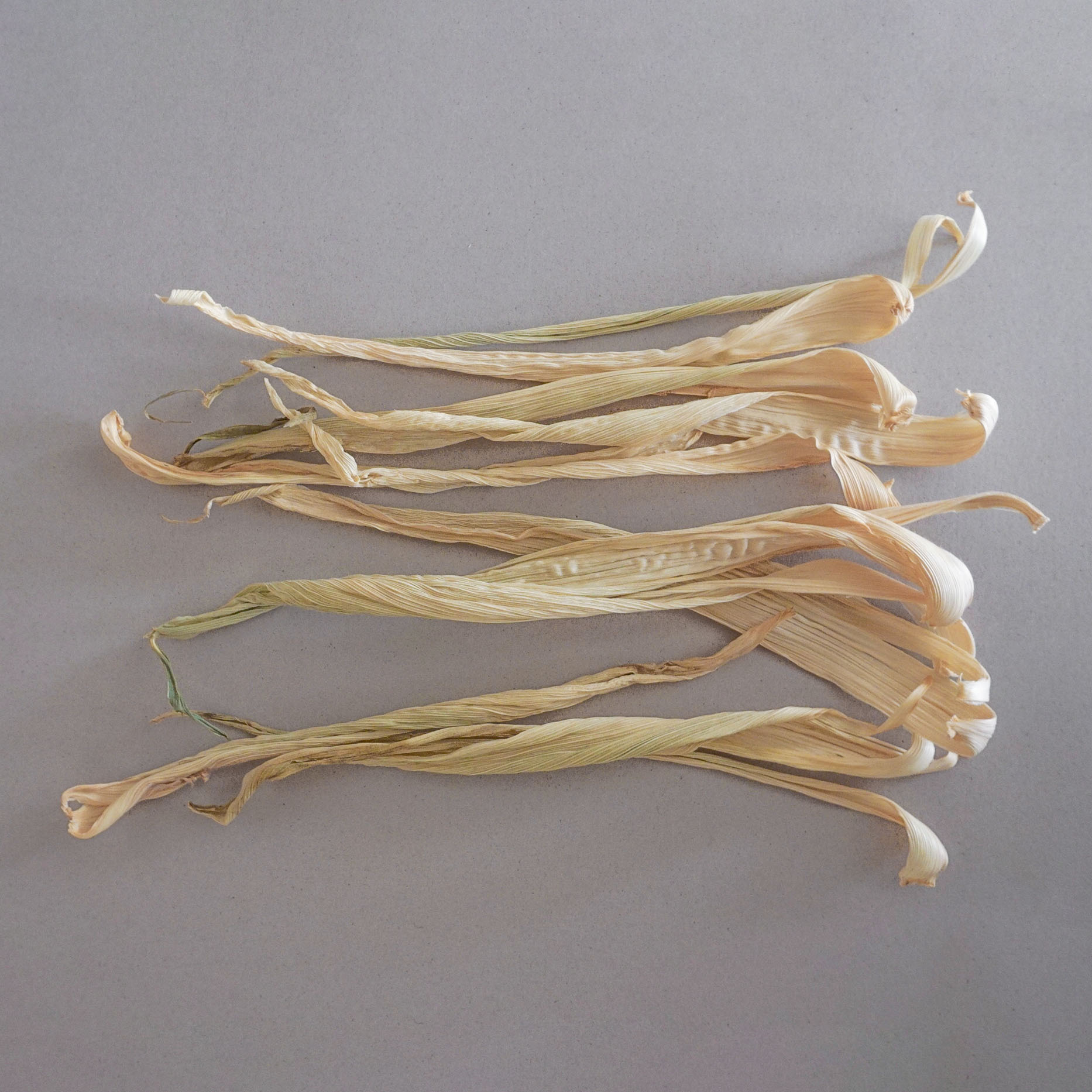
šúpolie (kukurica)
Corn husk is the outer leafy sheath that surrounds the ear of maize beneath its layered covering. It is a natural, fibrous, light-coloured,...
Connected with no organizations
-
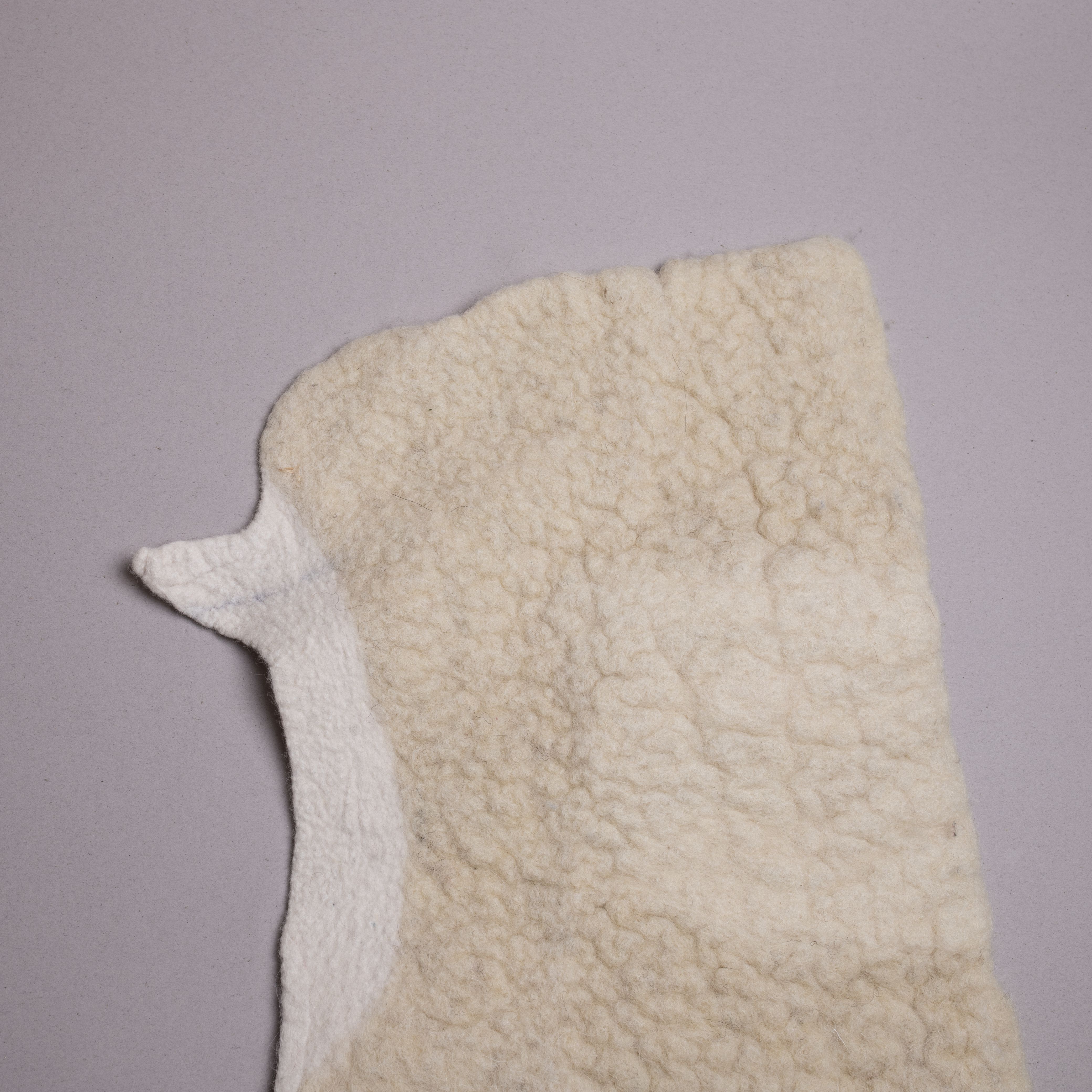
Felted wool
Felted wool is a traditional natural material made from sheep’s wool or other animal fibers through a process called felting, in which fibers that...
Connected with no organizations
-
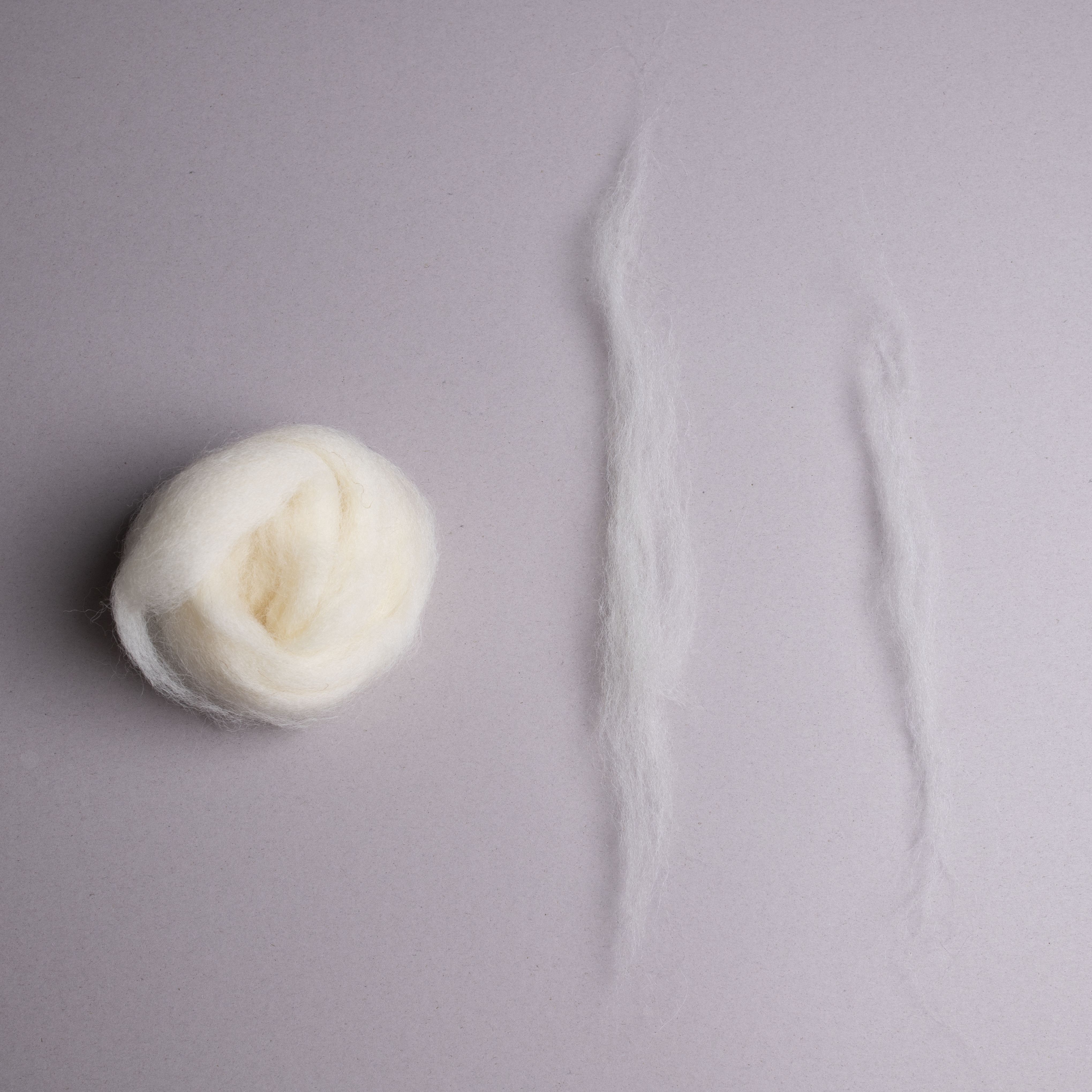
eider páperie
Eider down is an exceptionally rare and highly valued natural material obtained from the breast down of the common eider duck (Somateria...
Connected with no organizations
-
.jpg)
Optical fiber
Optical fibre is a specialised material consisting of a very thin core made of glass (silicon dioxide, SiO₂) or plastic, surrounded by a cladding...
Connected with no organizations
-
Conductive fiber (Au.,Cu.)
Conductive fibre based on gold (Au) and copper (Cu) is a specialised material designed for technical and smart textiles, where high electrical...
Connected with no organizations
-
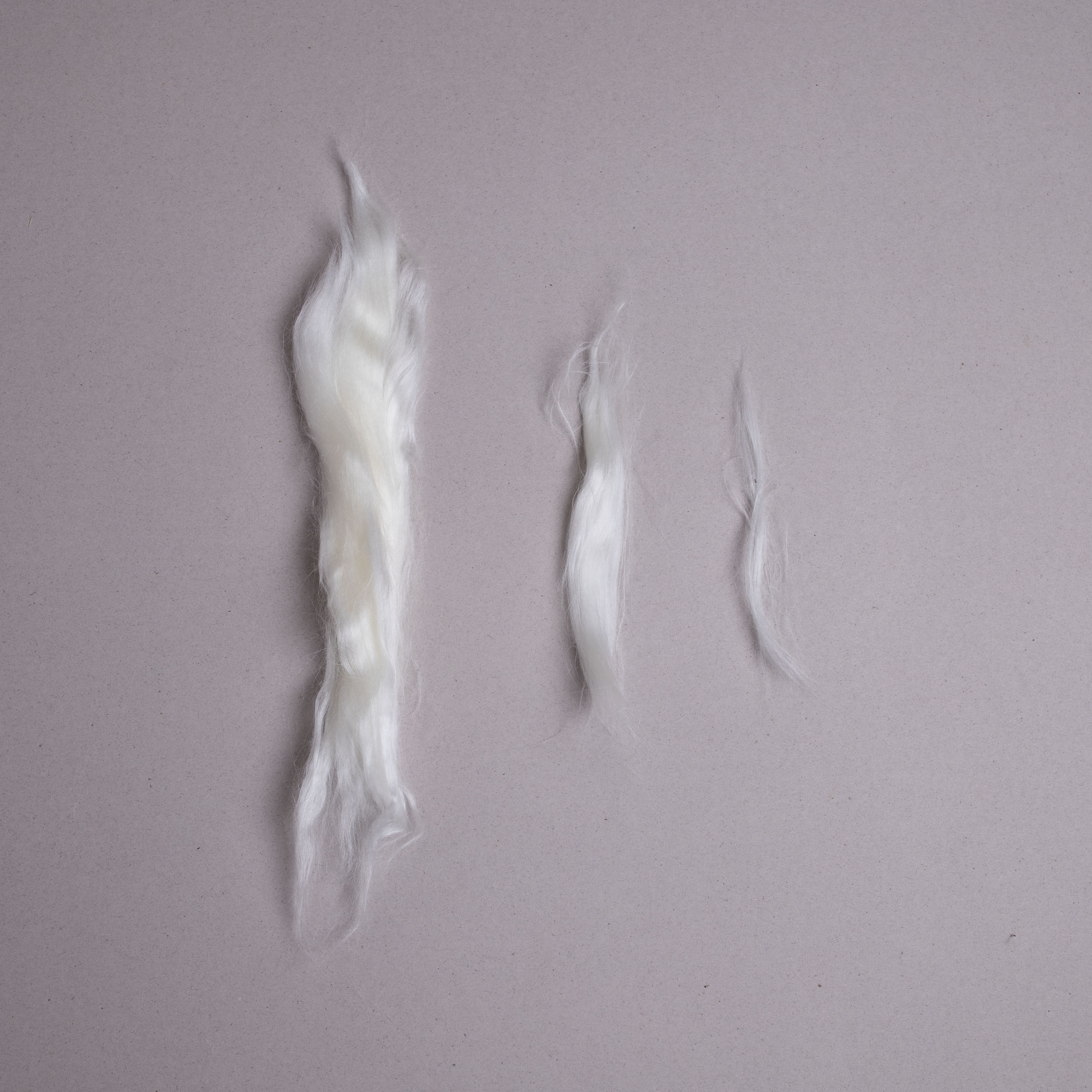
mliečny proteín
Milk protein – casein, a biopolymer fibre. The first milk-based fibres did not show sufficient strength. A material called Chinon was developed in...
Connected with no organizations
-
Human hair
In the textile industry, human hair is mainly used for making wigs, hairpieces, and various fashion accessories. Modern designers have also...
Connected with no organizations
-
Spider silk
Spider silk is an extremely strong and elastic natural fibre produced by the spinning glands of spiders. Its main component is the protein fibroin,...
Connected with no organizations
-

fake mohér
A textile material that imitates the appearance of real mohair, but is most commonly made from synthetic fibres, especially acrylic or nylon....
Connected with no organizations
-
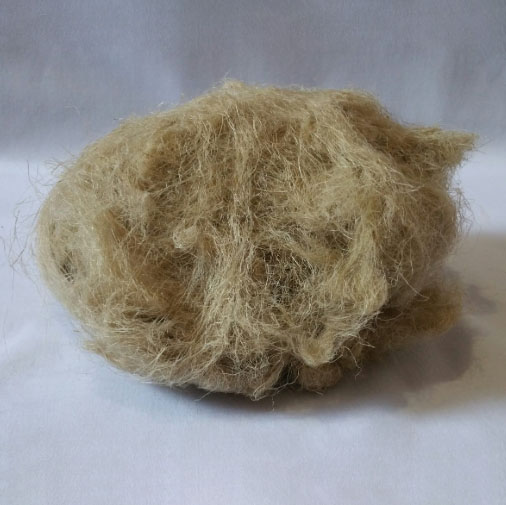
cottonised flax
Cottonised flax is a natural material in which long flax bast fibres are separated, shortened, and processed so that their appearance and properties...
Connected with no organizations
-
.jpg)
Snake fiber
Snake fiber is a plant-based fibre obtained from the leaves of the Sansevieria plant (e.g. Sansevieria trifasciata, also known as “snake plant”). It...
Connected with no organizations
-
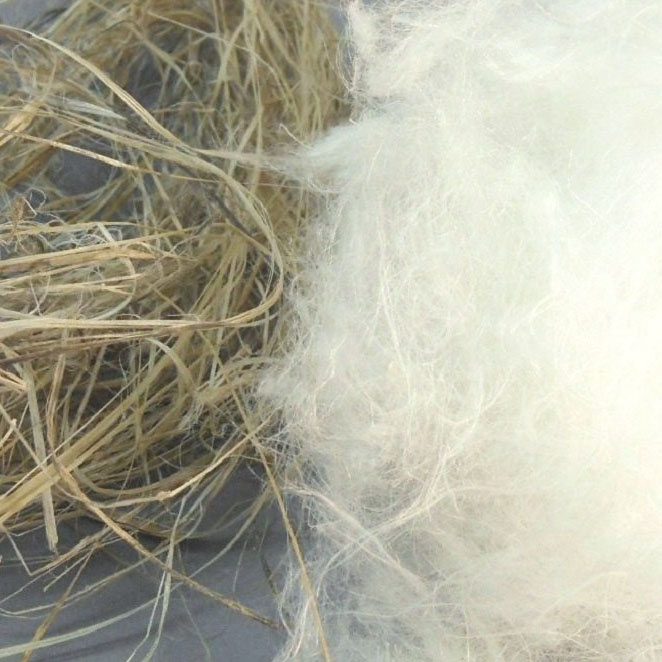
cottonised hemp
Cottonised hemp is a textile material obtained from the bast fibres of hemp (Cannabis sativa) that have undergone a special cottonisation treatment....
Connected with no organizations
-
Blend of natural and synthetic fibers
A blend of natural and man-made fibres is a modern textile material created by combining at least two different types of fibres—most commonly...
Connected with no organizations
-
Eucalyptus fiber
Eucalyptus fibre is a modern cellulose-based textile material mainly produced through the lyocell process from eucalyptus wood pulp, often known...
Connected with no organizations
-
Traditional materials
Traditional materials in the textile industry are primarily of natural origin, with the most important being cotton, wool, flax, and silk. Their...
Connected with no organizations
-
.jpg)
Thermoplastic composites
Thermoplastic composites are materials in which a reinforcement (such as carbon, glass, or aramid fibres) is embedded in a thermoplastic polymer...
Connected with no organizations
-
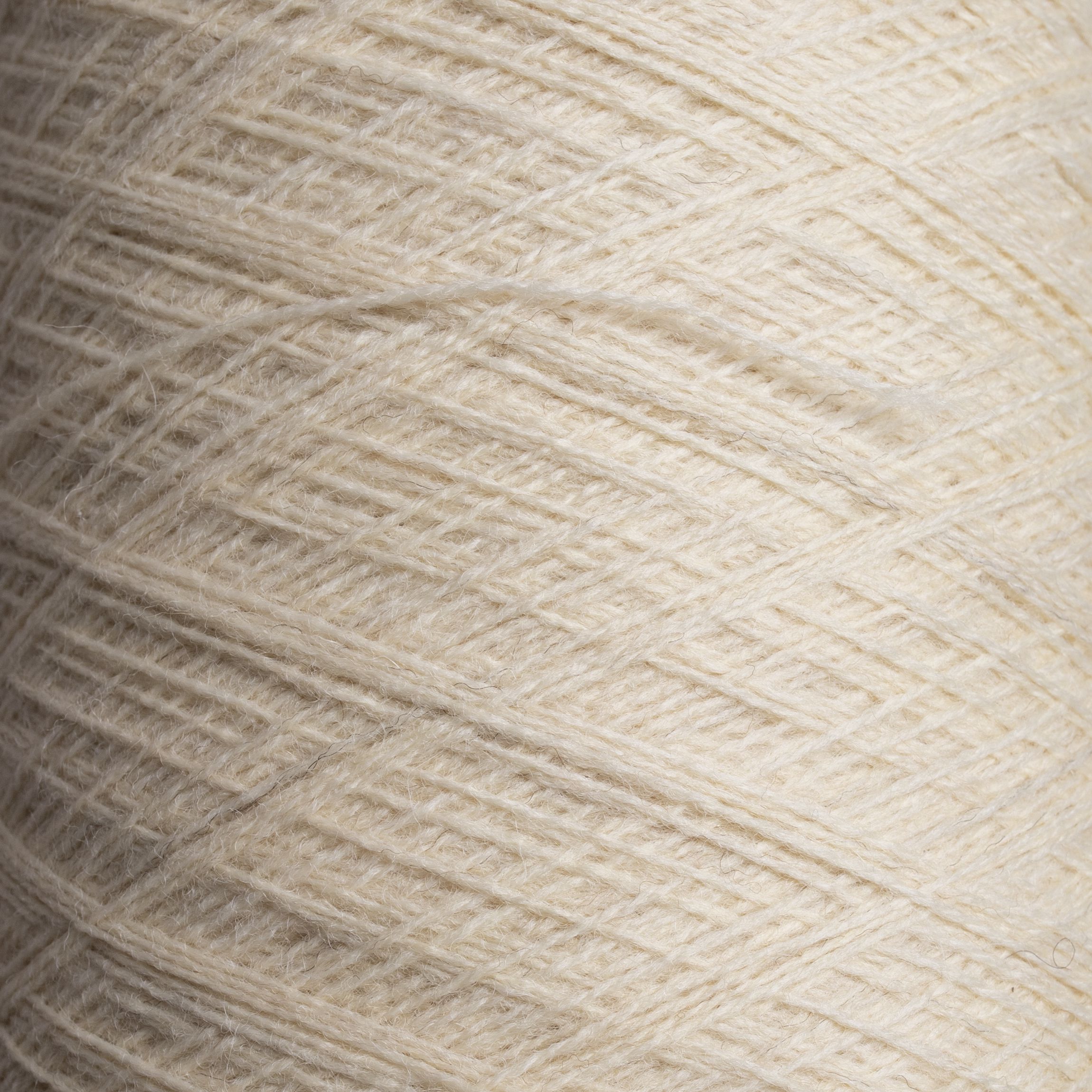
Woolen yarn
Wool yarn is a textile material made from natural wool fibres obtained mainly from sheep, but also from animals such as goats, alpacas, and llamas....
Connected with no organizations
-
Cork fabric
Cork fabric is an ecological, sustainable material made from thin layers of natural cork—the bark of the cork oak (Quercus suber)—which are pressed...
Connected with no organizations
-
.jpg)
Woolen fabric
Wool fabric is a textile material made from yarn containing wool fibers from sheep, often blended with fibers from goats, camels, or other animals,...
Connected with no organizations
.jpg)
.jpg)
.jpg)